
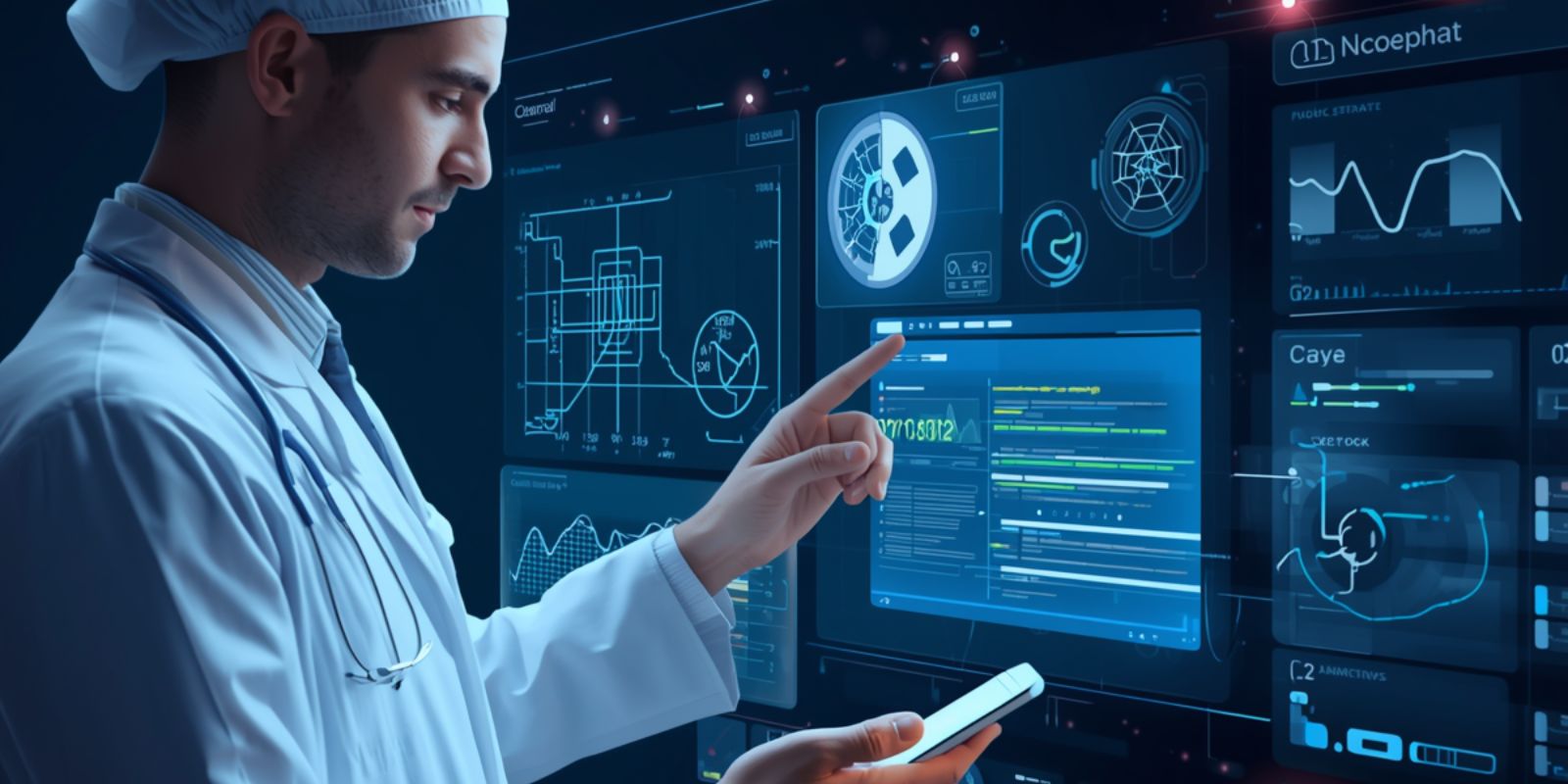
Smart Diagnostics Enhancing Medical Treatment Decisions
Introduction
The healthcare landscape is rapidly evolving, driven by technological advancements that are transforming how diseases are detected, monitored, and treated. Among these innovations, smart diagnostics stand out as a critical force in improving medical treatment decisions. By combining advanced technologies such as artificial intelligence (AI), machine learning, data analytics, and connected devices, smart diagnostics provide faster, more accurate, and personalized insights into patient health.
In an era where precision and speed are vital, traditional diagnostic methods alone are no longer sufficient to meet the growing demands of modern healthcare systems. Smart diagnostics not only enhance diagnostic accuracy but also empower healthcare professionals to make informed decisions that lead to better patient outcomes. This article explores how smart diagnostics are reshaping medical treatment decisions and why they are essential for the future of healthcare.
What Are Smart Diagnostics?
Smart diagnostics refer to the integration of digital technologies into diagnostic processes to improve the detection and analysis of diseases. These systems leverage tools such as AI algorithms, wearable devices, cloud computing, and advanced imaging technologies to collect and interpret patient data in real time.
Unlike conventional diagnostics, which often rely on manual interpretation and limited datasets, smart diagnostics use large volumes of data to identify patterns, predict outcomes, and provide actionable insights. This approach enhances both the speed and accuracy of diagnosis, reducing the chances of human error.
Improving Accuracy in Diagnosis
One of the most significant benefits of smart diagnostics is improved diagnostic accuracy. AI-powered systems can analyze complex datasets, including medical images, lab results, and patient histories, with remarkable precision.
For example, machine learning algorithms can detect subtle abnormalities in imaging scans that may be missed by the human eye. This is particularly useful in diagnosing conditions such as cancer, cardiovascular diseases, and neurological disorders at an early stage.
Accurate diagnosis is the foundation of effective treatment. When healthcare providers have reliable diagnostic information, they can choose the most appropriate treatment plans, reducing the risk of complications and improving recovery rates.
Faster Decision-Making in Critical Situations
Time is a crucial factor in medical emergencies. Smart diagnostics enable rapid analysis of patient data, allowing healthcare professionals to make quick and informed decisions.
Point-of-care diagnostic devices, for instance, provide instant test results at the patient’s bedside. This eliminates delays associated with traditional lab testing and ensures that treatment can begin immediately.
In emergency situations such as heart attacks, strokes, or severe infections, the ability to make swift decisions can be life-saving. Smart diagnostics play a vital role in ensuring timely intervention and improving survival rates.
Personalized Treatment Plans
Every patient is unique, and a one-size-fits-all approach to treatment is no longer effective. Smart diagnostics support personalized medicine by analyzing individual patient data, including genetic information, lifestyle factors, and medical history.
By understanding the specific characteristics of a patient’s condition, healthcare providers can tailor treatments to achieve the best possible outcomes. For example, in oncology, smart diagnostics can identify the genetic mutations driving a tumor, enabling targeted therapies that are more effective and have fewer side effects.
Personalized treatment not only improves patient satisfaction but also enhances the overall efficiency of healthcare systems by reducing unnecessary treatments.
Integration with Wearable Technology
Wearable devices such as smartwatches and fitness trackers are becoming increasingly popular in healthcare. These devices continuously monitor vital signs such as heart rate, blood pressure, oxygen levels, and physical activity.
Smart diagnostics systems integrate data from these wearables to provide a comprehensive view of a patient’s health. This continuous monitoring allows for early detection of potential health issues and timely medical intervention.
For instance, irregular heart rhythms detected by a wearable device can prompt further diagnostic testing, leading to early diagnosis and treatment of conditions like atrial fibrillation. This proactive approach helps prevent complications and improves long-term health outcomes.
Enhancing Chronic Disease Management
Chronic diseases such as diabetes, hypertension, and asthma require ongoing monitoring and management. Smart diagnostics play a crucial role in helping patients and healthcare providers manage these conditions effectively.
Digital health platforms can track patient data over time, identify trends, and alert healthcare professionals to any significant changes. This enables timely adjustments to treatment plans, preventing complications and hospitalizations.
For patients, smart diagnostics provide greater control over their health. Mobile applications and connected devices offer real-time feedback, helping individuals adhere to treatment plans and make healthier lifestyle choices.
Reducing Healthcare Costs
Healthcare costs are a major concern worldwide. Smart diagnostics contribute to cost reduction by improving efficiency and minimizing unnecessary procedures.
Accurate and early diagnosis reduces the need for repeated tests and prevents the progression of diseases to more severe stages, which are often more expensive to treat. Additionally, remote monitoring and telemedicine solutions reduce the need for hospital visits, saving both time and resources.
By optimizing treatment decisions and improving resource utilization, smart diagnostics help create a more sustainable healthcare system.
Supporting Healthcare Professionals
Smart diagnostics are not meant to replace healthcare professionals but to support them in their decision-making processes. These technologies act as powerful tools that enhance clinical judgment and reduce cognitive workload.
AI-driven systems can provide diagnostic suggestions, highlight critical findings, and offer evidence-based recommendations. This allows healthcare providers to focus more on patient care and less on administrative tasks.
Moreover, smart diagnostics facilitate collaboration among healthcare teams by enabling seamless sharing of patient data. This ensures that all stakeholders have access to accurate and up-to-date information, leading to better coordinated care.
Challenges and Considerations
Despite their numerous benefits, smart diagnostics also come with challenges that need to be addressed. Data privacy and security are major concerns, as these systems rely on the collection and storage of sensitive patient information.
Ensuring the accuracy and reliability of AI algorithms is another critical issue. Continuous validation and regulation are necessary to maintain trust in these technologies.
Additionally, the implementation of smart diagnostics requires significant investment in infrastructure and training. Healthcare providers must be equipped with the necessary skills to effectively use these tools.
Addressing these challenges is essential to fully realize the potential of smart diagnostics in healthcare.
The Future of Smart Diagnostics
The future of smart diagnostics is promising, with ongoing advancements in technology expected to further enhance their capabilities. Innovations such as predictive analytics, genomics, and advanced imaging techniques will continue to revolutionize medical diagnostics.
In the coming years, we can expect greater integration of smart diagnostics into everyday healthcare practices. From remote patient monitoring to AI-assisted surgeries, these technologies will play a central role in shaping the future of medicine.
As healthcare systems become more data-driven, smart diagnostics will be instrumental in delivering high-quality, patient-centered care.
Conclusion
Smart diagnostics are transforming the way medical treatment decisions are made. By providing accurate, timely, and personalized insights, these technologies empower healthcare professionals to deliver better care and improve patient outcomes.
From early disease detection to chronic disease management and personalized treatment planning, smart diagnostics offer numerous benefits that enhance the overall efficiency of healthcare systems. While challenges remain, continued innovation and responsible implementation will ensure that these technologies reach their full potential.
As the healthcare industry continues to evolve, smart diagnostics will remain at the forefront, driving progress and enabling a new era of precision medicine.