9, Apr 2026
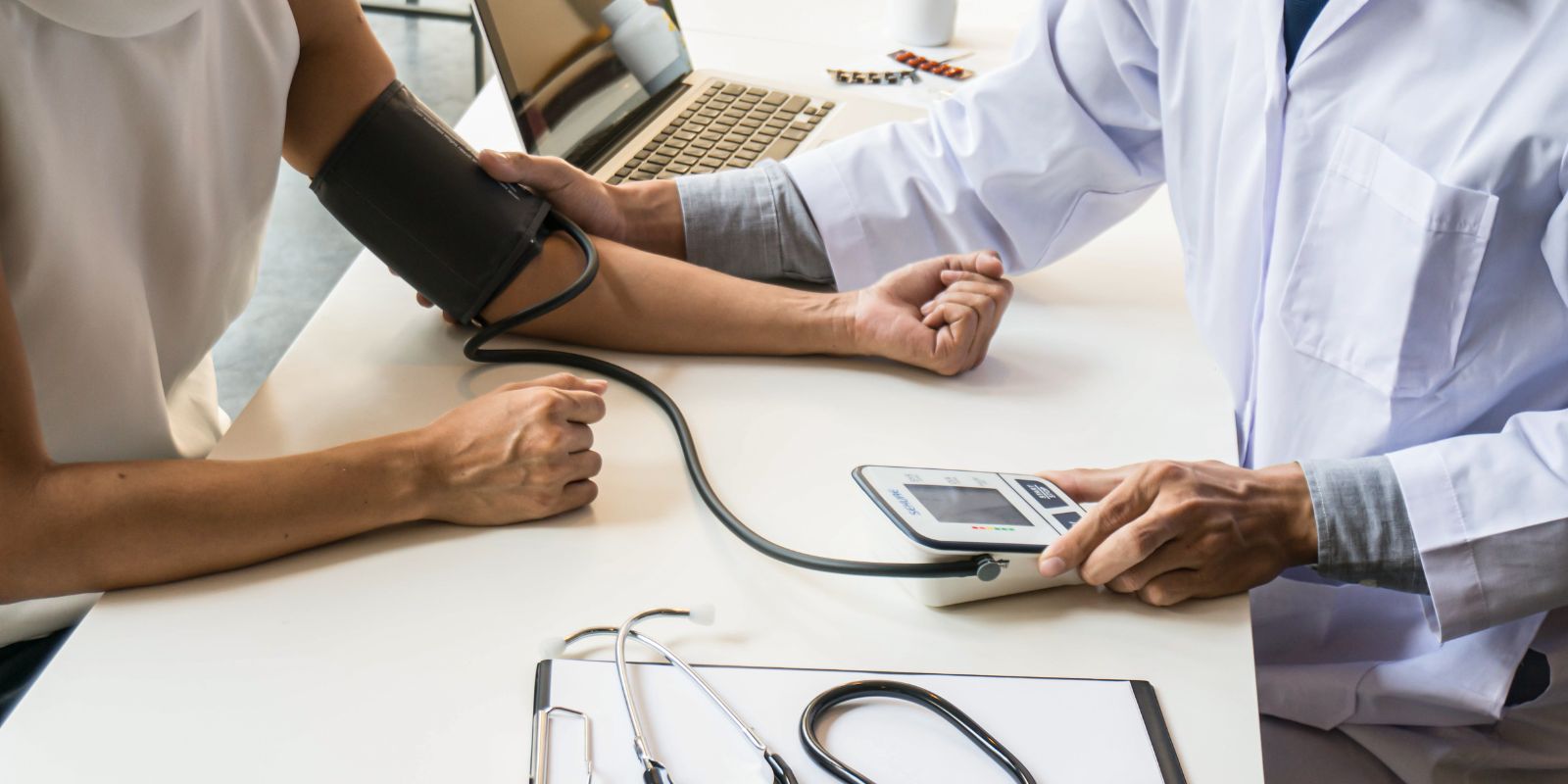
Modern Diagnostics Improve Care Coordination

In today’s rapidly evolving healthcare landscape, the integration of modern diagnostics has become a cornerstone for delivering high-quality, patient-centered care. As healthcare systems grow more complex, the need for seamless communication and collaboration among providers is more important than ever. Modern diagnostic technologies—ranging from advanced imaging systems to digital lab…


9, Apr 2026
Lab Insights Improve Medical Decisions

In today’s fast-evolving healthcare landscape, data-driven decisions are transforming how medical professionals diagnose, treat, and manage diseases. Among the most critical components of this transformation are laboratory insights. From routine blood tests to advanced molecular diagnostics, laboratory data provides essential information that guides clinical decision-making and enhances patient outcomes. The…

9, Apr 2026
Healthcare Testing Improves Patient Experience

Healthcare systems across the world are rapidly evolving, with patient experience becoming a central focus. Among the many factors that influence how patients perceive healthcare services, testing and diagnostics play a crucial role. Healthcare testing is no longer limited to identifying diseases—it is now an integral part of delivering efficient,…

9, Apr 2026
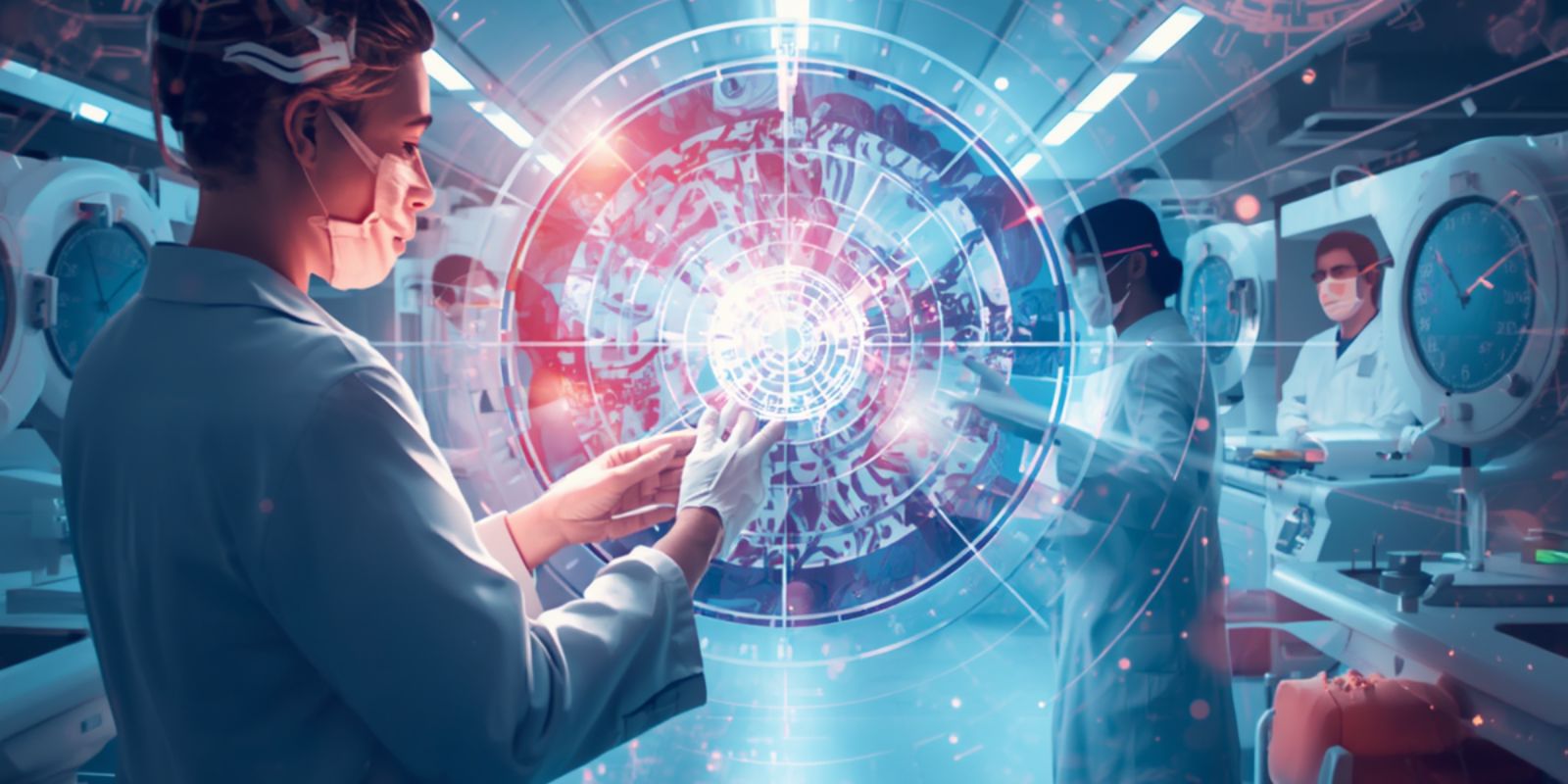
Smart Labs Improve Testing Accuracy

In today’s rapidly evolving healthcare landscape, precision and efficiency are more critical than ever. Smart laboratories, often referred to as “smart labs,” are transforming the way diagnostic testing is conducted by integrating advanced technologies, automation, and data analytics. These modern labs are redefining accuracy standards, reducing human error, and improving…

9, Apr 2026
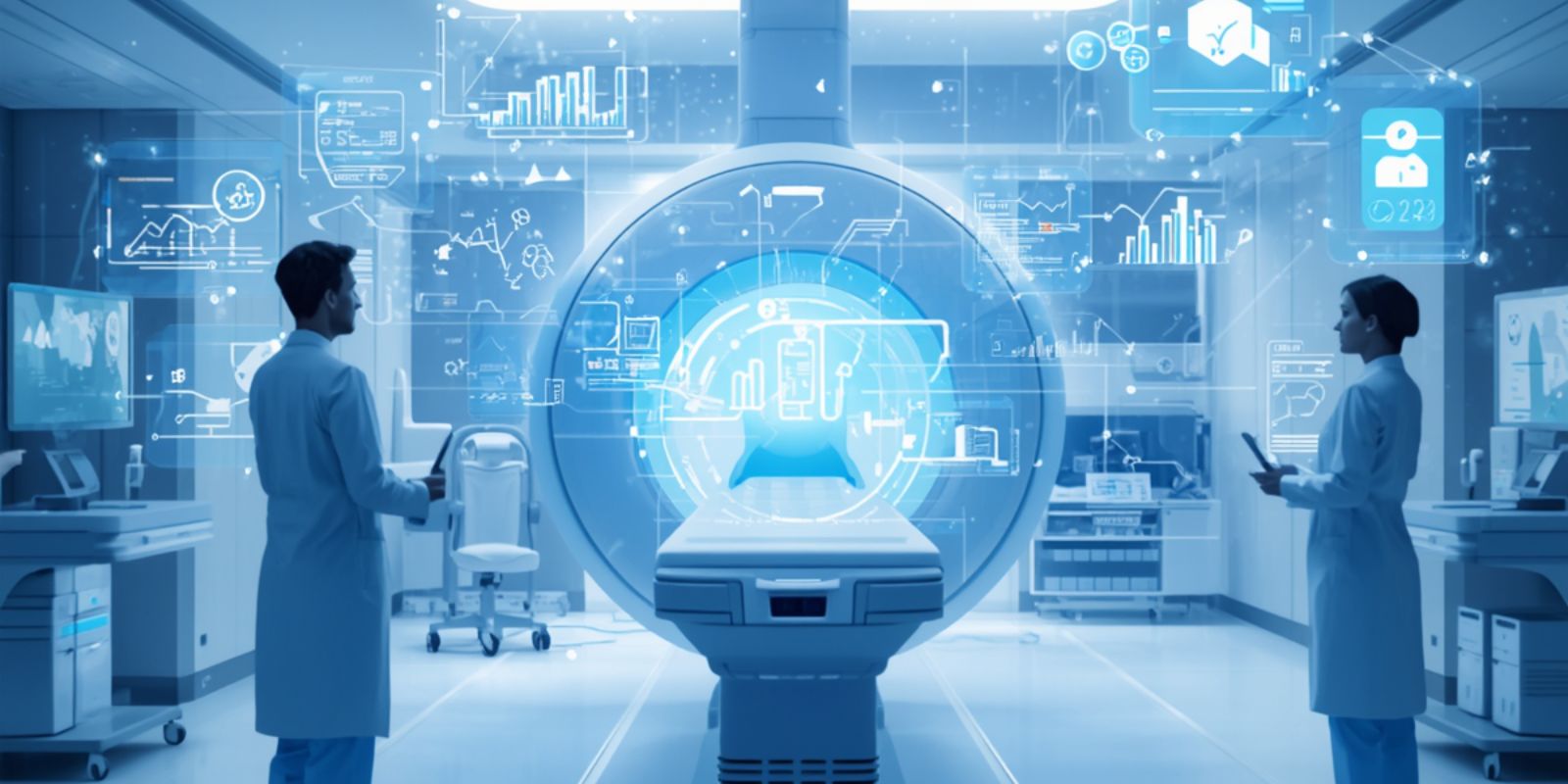
Advanced Diagnostics Improve Clinical Performance

In today’s rapidly evolving healthcare landscape, advanced diagnostics play a crucial role in enhancing clinical performance and improving patient outcomes. With the integration of cutting-edge technologies, healthcare providers can now diagnose diseases earlier, treat them more effectively, and monitor patient progress with greater precision. As a result, advanced diagnostics are…

9, Apr 2026
Lab Monitoring Supports Chronic Disease

Chronic diseases such as diabetes, cardiovascular conditions, kidney disorders, and thyroid imbalances are long-term health challenges that require continuous care and management. Unlike acute illnesses, chronic conditions demand ongoing monitoring to prevent complications and maintain quality of life. One of the most powerful tools in managing these conditions is lab…

8, Apr 2026
Digital Diagnostics Transform Healthcare Services

The healthcare industry is undergoing a significant transformation, driven by rapid advancements in digital technology. One of the most impactful changes is the rise of digital diagnostics—an innovative approach that uses technology to detect, monitor, and manage diseases more efficiently and accurately. From artificial intelligence (AI) to wearable devices and…

8, Apr 2026
Diagnostic Accuracy Enhances Treatment Planning

In modern healthcare, accurate diagnosis is the cornerstone of effective treatment. Without a clear understanding of a patient’s condition, even the most advanced therapies may fail to deliver desired outcomes. Diagnostic accuracy plays a crucial role in shaping treatment strategies, ensuring that patients receive timely, appropriate, and personalized care. As…

8, Apr 2026
Lab Technology Improves Clinical Outcomes

In today’s rapidly evolving healthcare landscape, laboratory technology plays a crucial role in improving clinical outcomes. From early disease detection to precise treatment monitoring, modern lab innovations have transformed the way healthcare providers diagnose and manage illnesses. As medical science continues to advance, the integration of cutting-edge laboratory technologies ensures…

8, Apr 2026
Reliable Diagnostics Improve Healthcare Delivery

Reliable diagnostics play a critical role in modern healthcare delivery. They form the foundation for accurate disease detection, effective treatment planning, and improved patient outcomes. In a world where healthcare systems are becoming increasingly complex, the importance of precise and dependable diagnostic processes cannot be overstated. From early disease detection…