
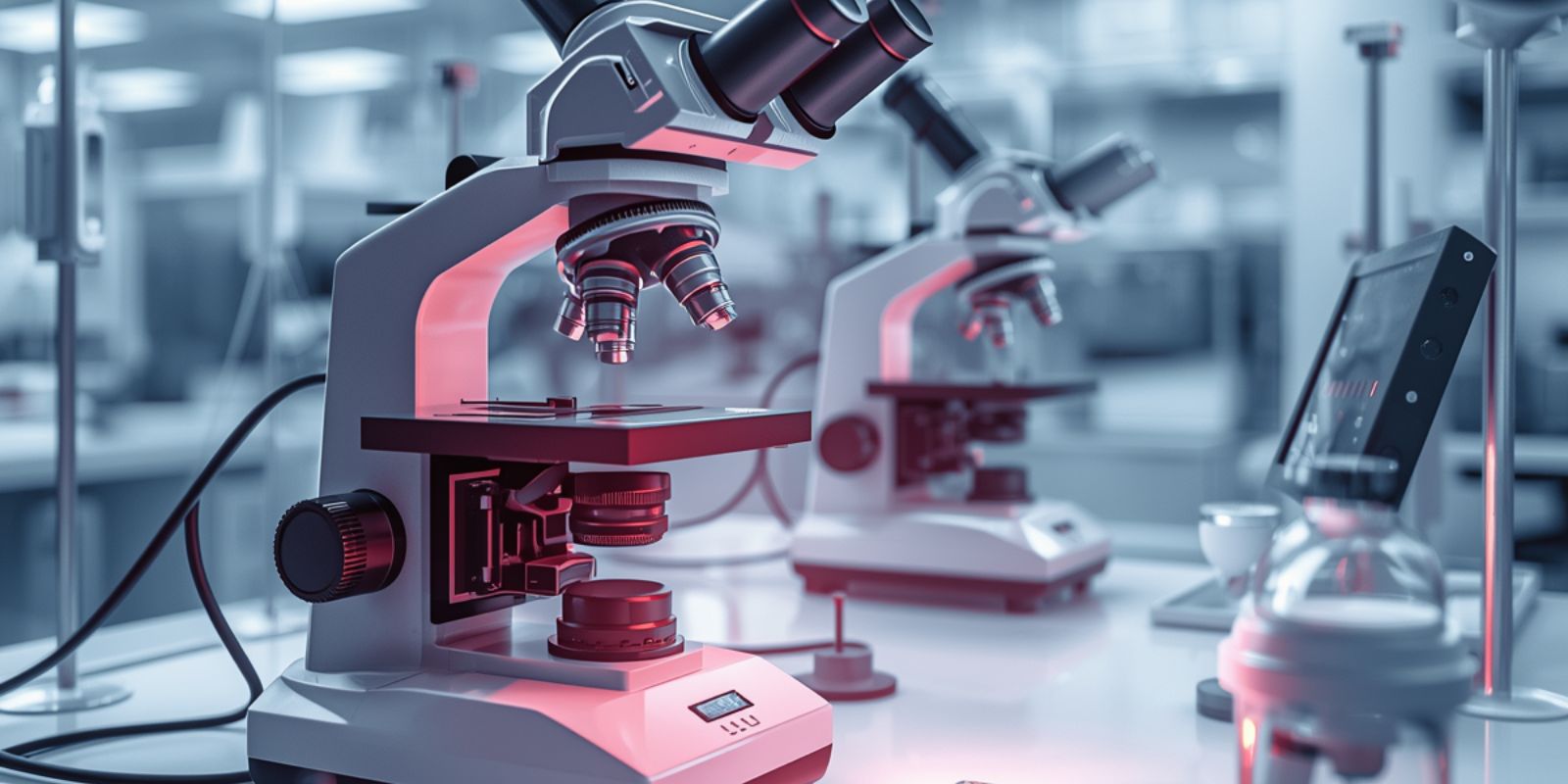
Technology Driven Lab Testing Improves Accuracy
In today’s rapidly evolving healthcare landscape, laboratory testing has become a cornerstone of accurate diagnosis, effective treatment, and preventive care. With the integration of advanced technologies, lab testing has undergone a remarkable transformation, significantly improving accuracy, efficiency, and reliability. Technology-driven lab testing is no longer a luxury but a necessity in modern healthcare systems, ensuring better patient outcomes and streamlined clinical workflows.
The Evolution of Laboratory Testing
Traditional laboratory testing methods relied heavily on manual processes, which were time-consuming and prone to human error. Technicians had to handle samples, record data, and interpret results manually, increasing the chances of inaccuracies. However, with technological advancements, laboratories have shifted toward automation, digitization, and data-driven processes.
Modern labs now incorporate cutting-edge tools such as automated analyzers, artificial intelligence (AI), machine learning algorithms, and advanced imaging systems. These innovations have revolutionized the way tests are conducted, analyzed, and reported, making them faster and more precise.
Role of Automation in Enhancing Accuracy
Automation is one of the most significant contributors to improved lab testing accuracy. Automated systems minimize human intervention, reducing the risk of errors in sample handling, labeling, and analysis. These systems can process thousands of samples with consistent precision, ensuring uniform results across different tests.
Automated analyzers are designed to follow standardized procedures, eliminating variability in testing. They also provide real-time monitoring and error detection, allowing technicians to address issues immediately. This level of precision is particularly crucial in critical tests such as blood analysis, genetic testing, and infectious disease detection.
Integration of Artificial Intelligence
Artificial intelligence has emerged as a game-changer in laboratory diagnostics. AI-powered systems can analyze complex datasets, identify patterns, and provide insights that may not be easily detectable by human experts. This enhances diagnostic accuracy and helps in early disease detection.
For instance, AI algorithms can analyze medical images, such as pathology slides and radiology scans, with remarkable precision. They can detect abnormalities, classify diseases, and even predict patient outcomes. By reducing the reliance on subjective interpretation, AI ensures more consistent and accurate results.
Advanced Diagnostic Technologies
Technology-driven lab testing leverages a range of advanced diagnostic tools that contribute to improved accuracy. Some of these include:
- Molecular Diagnostics: Techniques like PCR (Polymerase Chain Reaction) enable precise detection of genetic material, making it possible to identify diseases at an early stage.
- Next-Generation Sequencing (NGS): This technology allows comprehensive analysis of genetic information, aiding in personalized medicine.
- Digital Pathology: High-resolution imaging and digital analysis enhance the accuracy of tissue examination.
- Point-of-Care Testing (POCT): Portable devices provide immediate results, reducing delays and improving decision-making.
These technologies not only enhance accuracy but also expand the scope of diagnostic capabilities, enabling healthcare providers to deliver more targeted treatments.
Data Management and Digitalization
Digital transformation plays a crucial role in improving lab testing accuracy. Laboratory Information Management Systems (LIMS) and Electronic Health Records (EHRs) ensure seamless data integration, storage, and retrieval. These systems reduce the risk of data loss, duplication, and transcription errors.
Digital platforms also enable better communication between laboratories and healthcare providers. Test results can be shared instantly, allowing doctors to make timely decisions. Additionally, data analytics tools help in identifying trends, monitoring quality, and improving overall laboratory performance.
Quality Control and Standardization
Technology-driven lab testing enhances quality control through standardized procedures and continuous monitoring. Automated systems are equipped with built-in quality checks that ensure each test meets predefined standards. This reduces variability and ensures consistency in results.
Moreover, laboratories can use digital tools to track performance metrics, identify deviations, and implement corrective actions. This proactive approach to quality management significantly improves the reliability of test results.
Benefits for Patients and Healthcare Providers
The adoption of technology in lab testing offers numerous benefits for both patients and healthcare providers:
- Improved Accuracy: Reduced errors lead to more reliable diagnoses.
- Faster Turnaround Time: Automated processes deliver results quickly.
- Early Detection: Advanced technologies enable identification of diseases at an early stage.
- Personalized Treatment: Detailed insights support tailored treatment plans.
- Enhanced Patient Experience: Quick and accurate results reduce anxiety and improve satisfaction.
For healthcare providers, accurate lab results are essential for making informed decisions. Technology-driven testing ensures that clinicians have access to precise and timely information, ultimately improving patient care.
Challenges and Considerations
While technology-driven lab testing offers significant advantages, it also comes with certain challenges. The initial investment in advanced equipment and software can be high, making it difficult for smaller laboratories to adopt these technologies. Additionally, there is a need for skilled professionals who can operate and maintain these systems effectively.
Data security and privacy are also critical concerns. With the increasing use of digital platforms, laboratories must implement robust cybersecurity measures to protect sensitive patient information.
Despite these challenges, the long-term benefits of technology-driven lab testing far outweigh the drawbacks. Continuous advancements and cost reductions are making these technologies more accessible, paving the way for widespread adoption.
Future of Technology in Lab Testing
The future of laboratory testing is undoubtedly technology-driven. Innovations such as blockchain for secure data sharing, wearable diagnostic devices, and AI-powered predictive analytics are set to further enhance accuracy and efficiency.
Remote testing and telemedicine integration will also play a significant role, enabling patients to access diagnostic services from the comfort of their homes. This will not only improve accessibility but also reduce the burden on healthcare facilities.
As technology continues to evolve, laboratory testing will become more precise, personalized, and proactive, transforming the way healthcare is delivered.
Conclusion
Technology-driven lab testing has revolutionized the field of diagnostics, significantly improving accuracy, efficiency, and reliability. From automation and AI to advanced diagnostic tools and digital platforms, these innovations are reshaping laboratory practices and enhancing patient care.
By minimizing errors, standardizing processes, and enabling early detection, technology ensures that lab results are more accurate and actionable. As healthcare systems continue to embrace digital transformation, technology-driven lab testing will remain a key driver of improved outcomes and better quality of life.