
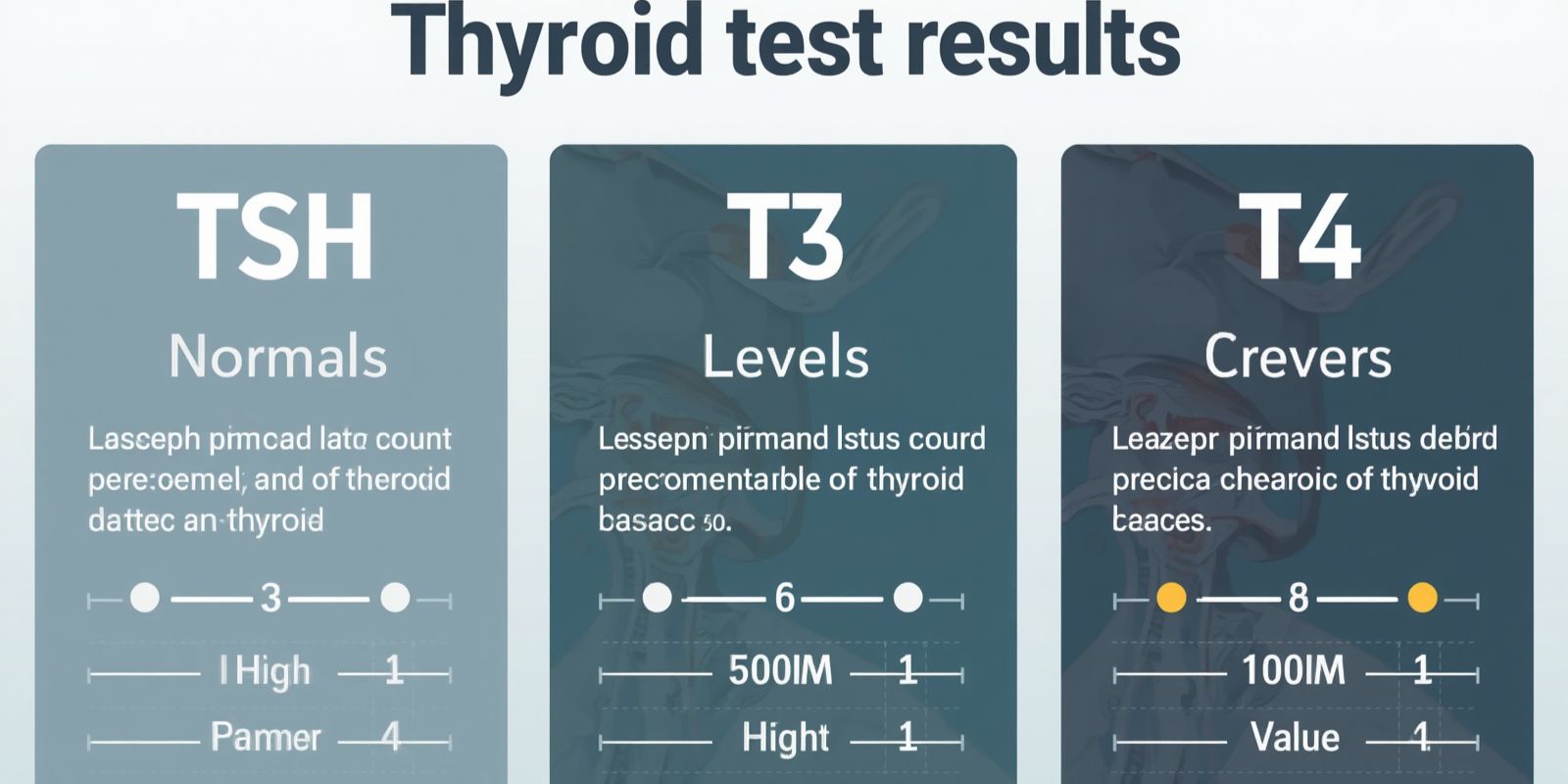
Understanding Thyroid Test Results Easily
The thyroid gland plays a crucial role in maintaining your body’s overall balance. Despite being small and located at the base of your neck, it influences metabolism, energy production, heart rate, digestion, and even mood. When your thyroid isn’t functioning properly, it can disrupt many bodily processes. This is why thyroid testing is an essential part of routine health check-ups.
However, when people receive their thyroid test reports, they often feel confused by the numbers, abbreviations, and reference ranges. Understanding these results doesn’t have to be difficult. This guide will break down thyroid test results in a simple and practical way so you can better understand what’s happening inside your body.
What is the Thyroid Gland?


6
The thyroid is a butterfly-shaped gland that produces hormones essential for regulating metabolism. These hormones control how your body uses energy, affecting nearly every organ.
The two primary hormones produced are:
- T3 (Triiodothyronine) – the active hormone that directly impacts cells
- T4 (Thyroxine) – a precursor hormone that converts into T3
The production of these hormones is controlled by TSH (Thyroid Stimulating Hormone), released by the pituitary gland in the brain.
Why Thyroid Testing is Important
Thyroid disorders are quite common and often go undiagnosed because their symptoms mimic other conditions. Fatigue, weight changes, mood swings, and hair loss can all be linked to thyroid imbalance.
Early detection through lab testing helps:
- Prevent complications
- Enable timely treatment
- Improve quality of life
- Monitor existing thyroid conditions
Common Thyroid Tests Explained
1. TSH (Thyroid Stimulating Hormone)
TSH is the most commonly used test to assess thyroid function.
- Normal Range: 0.4 – 4.0 mIU/L (may vary slightly)
Interpretation:
- High TSH: Indicates hypothyroidism (underactive thyroid)
- Low TSH: Indicates hyperthyroidism (overactive thyroid)
TSH acts like a signal. If thyroid hormone levels are low, TSH increases to stimulate production.
2. T3 (Triiodothyronine)


7
T3 is the active hormone responsible for regulating metabolism.
- Normal Range: 80 – 200 ng/dL
Interpretation:
- High levels may indicate hyperthyroidism
- Low levels may suggest hypothyroidism or other illnesses
3. T4 (Thyroxine)


6
T4 is produced in larger quantities but is less active than T3.
- Normal Range: 5.0 – 12.0 µg/dL
Interpretation:
- High T4: Hyperthyroidism
- Low T4: Hypothyroidism
4. Free T3 and Free T4
These tests measure the unbound hormones available for use in the body.
Why they matter:
- Provide a clearer picture of thyroid function
- Useful in diagnosing borderline cases
5. Thyroid Antibody Tests


5
These tests help detect autoimmune thyroid conditions.
Common antibodies include:
- TPO (Thyroid Peroxidase Antibodies)
- TG (Thyroglobulin Antibodies)
High levels may indicate:
- Hashimoto’s thyroiditis
- Graves’ disease
Understanding Common Thyroid Disorders
Hypothyroidism (Underactive Thyroid)
Lab Results:
- High TSH
- Low T3 and T4
Symptoms:
- Fatigue
- Weight gain
- Dry skin
- Depression
- Sensitivity to cold
Causes:
- Autoimmune disorders
- Iodine deficiency
- Thyroid surgery
Hyperthyroidism (Overactive Thyroid)
Lab Results:
- Low TSH
- High T3 and T4
Symptoms:
- Weight loss
- Rapid heartbeat
- Anxiety
- Sweating
- Tremors
Causes:
- Graves’ disease
- Thyroid nodules
- Excess iodine intake
How to Read Your Thyroid Report
Understanding your report becomes easier if you follow a step-by-step approach:
- Start with TSH
It gives the most important initial clue. - Check T3 and T4 Levels
These confirm whether your thyroid is overactive or underactive. - Look at Free Hormone Levels
Helps refine the diagnosis. - Review Antibody Tests
Identifies autoimmune causes. - Compare with Reference Ranges
Always consider lab-specific values.
Factors That Can Affect Thyroid Results
Your thyroid test results can vary due to several factors:
- Time of day (TSH is usually higher at night)
- Medications (like steroids or hormonal pills)
- Pregnancy
- Stress and illness
- Dietary iodine intake
Because of these variables, doctors may recommend repeat testing before confirming a diagnosis.
When Should You Get Tested?
You should consider a thyroid test if you experience:
- Unexplained weight changes
- Constant fatigue
- Hair thinning or hair loss
- Irregular menstrual cycles
- Mood swings or anxiety
- Heart palpitations
Routine screening is especially important for:
- Women over 35
- Pregnant women
- Individuals with family history of thyroid disorders
Tips for Accurate Testing
To get reliable thyroid test results:
- Test in the morning
- Avoid medication before the test (if advised)
- Inform your doctor about ongoing treatments
- Maintain consistency in testing conditions
Treatment and Management
For Hypothyroidism:
- Daily thyroid hormone replacement therapy
- Regular monitoring of TSH levels
For Hyperthyroidism:
- Anti-thyroid medications
- Radioactive iodine therapy
- Surgery in severe cases
Lifestyle improvements like a balanced diet, regular exercise, and stress management can also support thyroid health.
Conclusion
Understanding thyroid test results is essential for taking control of your health. While lab reports may seem complex at first, focusing on key markers like TSH, T3, and T4 makes interpretation much easier. These values, combined with your symptoms and medical history, provide a complete picture of your thyroid function.
Thyroid disorders are common but highly manageable when detected early. Regular screening, proper medical guidance, and consistent monitoring can help prevent complications and improve quality of life. Instead of feeling overwhelmed by your test report, use it as a powerful tool to stay informed and proactive about your health.