
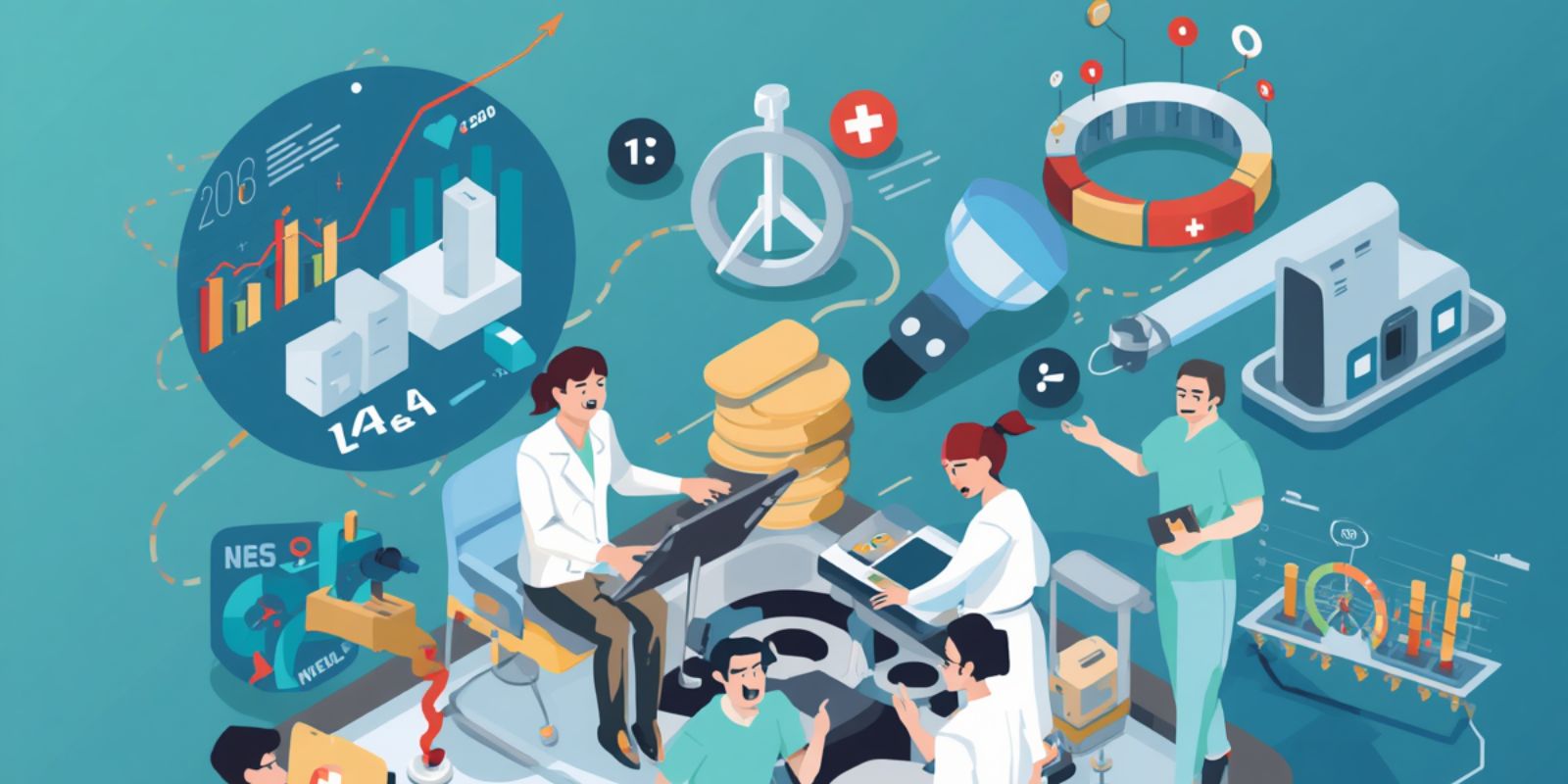
Workforce Optimization Driving Healthcare Industry Success
Introduction
The healthcare industry is under constant pressure to deliver high-quality patient care while managing rising costs, workforce shortages, and increasing patient expectations. In such a demanding environment, workforce optimization has emerged as a critical strategy for ensuring operational efficiency and long-term success. By aligning staffing, skills, and processes with organizational goals, healthcare providers can improve productivity, enhance patient outcomes, and maintain financial stability.
Workforce optimization in healthcare is not just about reducing costs—it’s about creating a balanced ecosystem where healthcare professionals can perform at their best while patients receive timely and effective care. From hospitals and clinics to diagnostic centers and long-term care facilities, organizations that embrace workforce optimization strategies are better equipped to thrive in an evolving healthcare landscape.
Understanding Workforce Optimization in Healthcare
Workforce optimization refers to the strategic management of human resources to maximize efficiency, productivity, and performance. In the context of the Healthcare Management sector, it involves:
- Ensuring the right number of staff at the right time
- Matching skills with job roles effectively
- Leveraging technology to streamline operations
- Enhancing employee engagement and satisfaction
Healthcare systems are complex, requiring coordination across multiple departments such as nursing, administration, diagnostics, and support services. Workforce optimization helps bridge gaps in these areas by improving communication, reducing redundancies, and ensuring seamless operations.
Key Challenges in Healthcare Workforce Management
Before implementing optimization strategies, it is essential to understand the challenges faced by healthcare organizations:
1. Workforce Shortages
A global shortage of skilled healthcare professionals, including nurses and physicians, puts immense pressure on existing staff. This leads to burnout and reduced quality of care.
2. Rising Operational Costs
Healthcare institutions must balance budget constraints while maintaining high standards of patient care. Inefficient staffing models can significantly increase costs.
3. Employee Burnout
Long working hours, emotional stress, and high patient loads contribute to burnout, affecting both employee well-being and organizational performance.
4. Regulatory Compliance
Healthcare organizations must comply with strict regulations, making workforce management more complex and time-consuming.
5. Demand Fluctuations
Patient inflow can vary significantly, requiring flexible staffing solutions to handle peak times without overstaffing during low-demand periods.
Benefits of Workforce Optimization in Healthcare
Implementing effective workforce optimization strategies can yield numerous benefits:
Improved Patient Care
Optimized staffing ensures that patients receive timely attention, reducing wait times and improving overall satisfaction.
Enhanced Employee Productivity
When employees are assigned roles that match their skills, they perform more efficiently and confidently.
Cost Efficiency
Reducing unnecessary overtime, minimizing staffing gaps, and improving resource allocation lead to significant cost savings.
Better Employee Retention
A well-managed workforce fosters job satisfaction, reducing turnover rates and retaining skilled professionals.
Data-Driven Decision Making
Modern workforce optimization tools provide valuable insights, enabling healthcare leaders to make informed decisions.
Strategies for Effective Workforce Optimization
1. Data-Driven Workforce Planning
Using analytics and forecasting tools allows healthcare organizations to predict staffing needs based on historical data and patient trends. This ensures optimal staffing levels at all times.
2. Flexible Staffing Models
Adopting flexible staffing solutions such as part-time workers, temporary staff, and float pools helps manage demand fluctuations effectively. This approach ensures that healthcare facilities remain agile and responsive.
3. Skill-Based Scheduling
Assigning tasks based on employee skills and expertise improves efficiency and reduces errors. For example, experienced nurses can handle critical care, while less complex tasks can be delegated to support staff.
4. Leveraging Technology
Advanced workforce management systems, artificial intelligence, and automation tools play a crucial role in optimizing healthcare operations. These technologies can:
- Automate scheduling
- Track employee performance
- Predict patient demand
- Reduce administrative workload
5. Employee Training and Development
Continuous training ensures that healthcare professionals stay updated with the latest medical practices and technologies. This enhances their performance and boosts confidence.
6. Enhancing Employee Engagement
Engaged employees are more productive and committed to their roles. Organizations can improve engagement by:
- Recognizing employee achievements
- Providing career growth opportunities
- Promoting work-life balance
- Encouraging open communication
Role of Leadership in Workforce Optimization
Leadership plays a pivotal role in driving workforce optimization initiatives. Effective leaders:
- Set clear organizational goals
- Foster a culture of collaboration
- Encourage innovation and adaptability
- Support employee well-being
By aligning workforce strategies with organizational objectives, leaders can create a sustainable and efficient healthcare system.
Impact of Technology on Workforce Optimization
Technology has revolutionized workforce management in healthcare. From electronic health records to advanced analytics, digital solutions are transforming how healthcare organizations operate.
Key Technological Advancements:
- Workforce Management Software: Automates scheduling and resource allocation
- Artificial Intelligence (AI): Predicts staffing needs and identifies inefficiencies
- Telehealth Platforms: Reduce the burden on physical facilities by enabling remote consultations
- Mobile Applications: Allow staff to manage schedules and communicate effectively
These technologies not only improve efficiency but also enhance patient experiences by ensuring timely and accurate care delivery.
Case Example: Optimizing Hospital Workforce
Consider a mid-sized hospital struggling with long patient wait times and staff burnout. By implementing workforce optimization strategies, the hospital can:
- Use data analytics to predict peak hours
- Introduce flexible staffing schedules
- Train staff to handle multiple roles
- Implement automated scheduling systems
As a result, the hospital experiences reduced wait times, improved employee satisfaction, and increased operational efficiency.
Future Trends in Healthcare Workforce Optimization
The future of workforce optimization in healthcare is shaped by innovation and evolving industry demands. Key trends include:
Predictive Analytics
Advanced analytics will enable healthcare providers to anticipate workforce needs with greater accuracy.
Remote Healthcare Workforce
Telemedicine and remote monitoring will create new opportunities for workforce flexibility.
Personalized Employee Experiences
Organizations will focus on tailoring work environments and benefits to individual employee needs.
Integration of AI and Machine Learning
AI-driven tools will further streamline workforce management and decision-making processes.
Best Practices for Implementation
To successfully implement workforce optimization, healthcare organizations should:
- Conduct a thorough workforce analysis
- Invest in advanced technology solutions
- Develop clear policies and procedures
- Engage employees in the optimization process
- Continuously monitor and improve strategies
Conclusion
Workforce optimization is a powerful driver of success in the healthcare industry. By strategically managing human resources, healthcare organizations can achieve a balance between operational efficiency and high-quality patient care. In an era of increasing challenges and rapid transformation, adopting workforce optimization strategies is no longer optional—it is essential.
Organizations that invest in data-driven planning, embrace technology, and prioritize employee well-being will not only enhance their performance but also build a resilient and future-ready healthcare system.