
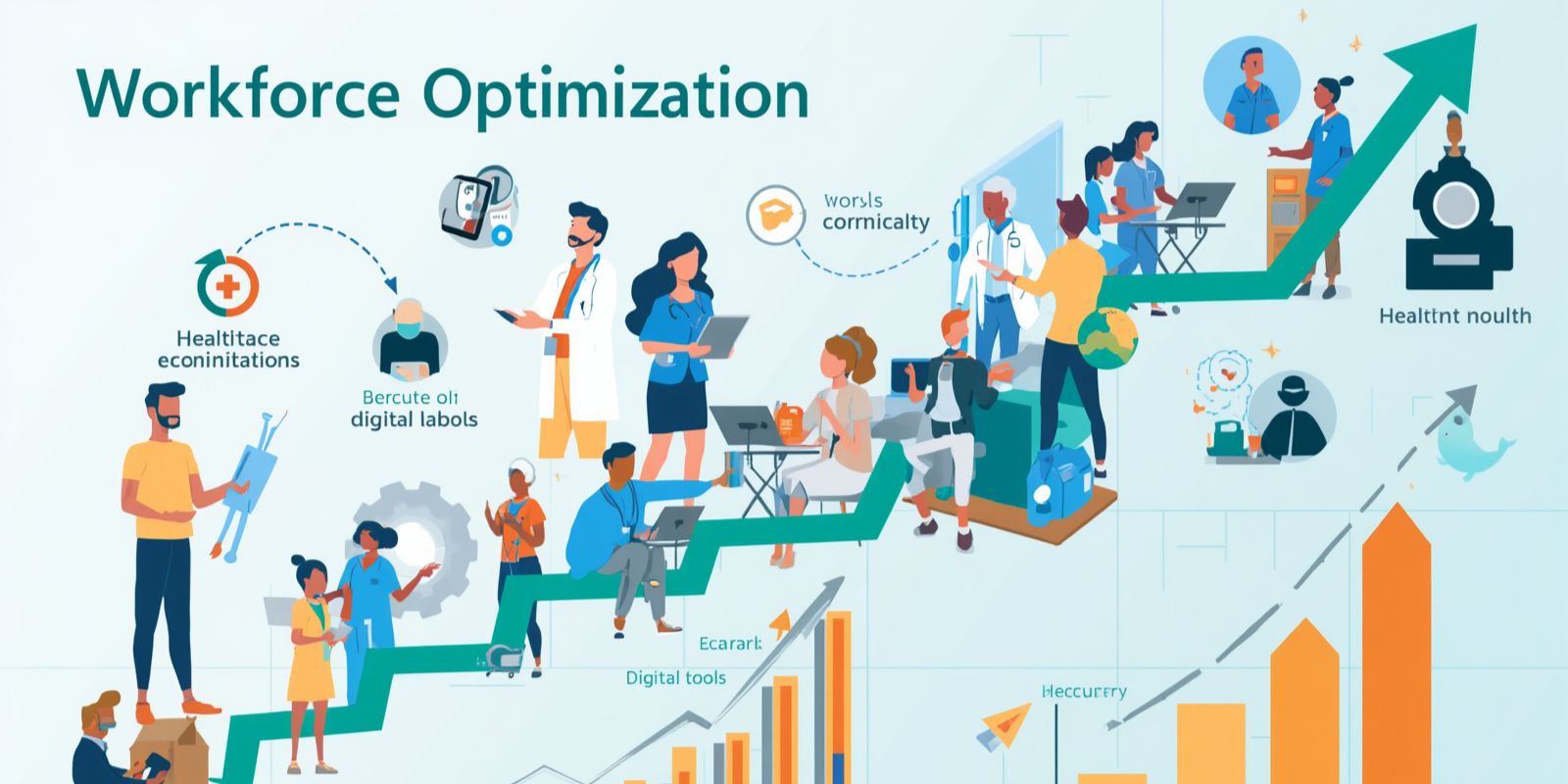
Workforce Optimization in Healthcare Industry Growth
The healthcare industry is undergoing rapid transformation driven by technological advancements, evolving patient expectations, and increasing demand for quality care. As healthcare organizations strive to meet these challenges, workforce optimization has emerged as a critical strategy for achieving sustainable growth. Workforce optimization in healthcare refers to the strategic alignment of staffing, skills, processes, and technologies to maximize efficiency, enhance patient outcomes, and reduce operational costs.
In an industry where human capital is the backbone of service delivery, optimizing the workforce is not just an operational necessity but a strategic imperative. This article explores the importance, key strategies, benefits, and future trends of workforce optimization in the healthcare industry.
Understanding Workforce Optimization in Healthcare
Workforce optimization involves analyzing and improving how healthcare staff are recruited, deployed, managed, and retained. It goes beyond traditional staffing by integrating data-driven insights, technology, and strategic planning to ensure the right people are in the right roles at the right time.
Healthcare organizations face unique workforce challenges, including staff shortages, burnout, regulatory compliance, and fluctuating patient volumes. Workforce optimization addresses these challenges by creating a balanced, efficient, and responsive workforce system.
Importance of Workforce Optimization
1. Addressing Workforce Shortages
Healthcare systems worldwide are experiencing shortages of skilled professionals such as nurses, physicians, and technicians. Workforce optimization helps organizations manage limited resources effectively by improving scheduling, task allocation, and productivity.
2. Enhancing Patient Care
A well-optimized workforce ensures that patients receive timely and high-quality care. Proper staffing levels reduce wait times, minimize errors, and improve overall patient satisfaction.
3. Reducing Operational Costs
Labor costs represent a significant portion of healthcare expenses. Efficient workforce management helps reduce overtime, avoid overstaffing, and optimize resource utilization.
4. Improving Employee Satisfaction
Burnout and job dissatisfaction are common in healthcare. Workforce optimization strategies, such as flexible scheduling and workload balancing, contribute to better employee well-being and retention.
Key Strategies for Workforce Optimization
1. Data-Driven Workforce Planning
Healthcare organizations can leverage analytics to forecast patient demand, identify staffing gaps, and plan workforce requirements. Predictive analytics helps anticipate peak periods and allocate resources accordingly.
2. Flexible Staffing Models
Adopting flexible staffing approaches, such as part-time roles, per diem staff, and temporary staffing, allows organizations to adjust quickly to changing demands. This flexibility is especially important during emergencies or seasonal fluctuations.
3. Skill Mix Optimization
Ensuring the right combination of skills within teams enhances efficiency. For example, delegating routine tasks to support staff allows highly trained professionals to focus on complex care.
4. Technology Integration
Digital tools such as workforce management software, AI-driven scheduling systems, and telehealth platforms streamline operations and improve decision-making. Automation reduces administrative burdens and enhances productivity.
5. Continuous Training and Development
Investing in employee training ensures that healthcare professionals stay updated with the latest practices and technologies. Upskilling enhances performance and prepares the workforce for future challenges.
6. Employee Engagement Initiatives
Engaged employees are more productive and committed. Organizations can improve engagement through recognition programs, career development opportunities, and supportive work environments.
Role of Technology in Workforce Optimization
Technology plays a transformative role in optimizing healthcare workforces. Advanced tools enable organizations to make informed decisions and improve efficiency.
1. Workforce Management Systems
These systems help automate scheduling, track attendance, and manage workloads. They ensure optimal staffing levels and reduce administrative workload.
2. Artificial Intelligence and Analytics
AI-driven tools analyze large datasets to predict staffing needs, identify inefficiencies, and recommend improvements. Predictive analytics helps in proactive workforce planning.
3. Telemedicine and Remote Work
Telehealth solutions allow healthcare providers to deliver care remotely, reducing the need for physical presence and optimizing resource allocation.
4. Mobile Applications
Mobile tools enable real-time communication, task management, and access to patient data, improving coordination and efficiency.
Benefits of Workforce Optimization
1. Improved Operational Efficiency
Optimized workflows and staffing reduce inefficiencies and enhance productivity across healthcare facilities.
2. Better Patient Outcomes
Adequate staffing and skilled professionals contribute to accurate diagnoses, effective treatments, and improved patient experiences.
3. Cost Savings
Efficient workforce utilization minimizes unnecessary expenses and maximizes return on investment.
4. Enhanced Employee Retention
A supportive and balanced work environment reduces turnover and attracts top talent.
5. Scalability and Growth
Workforce optimization enables healthcare organizations to scale operations effectively and adapt to changing demands.
Challenges in Workforce Optimization
Despite its benefits, implementing workforce optimization in healthcare comes with challenges:
1. Resistance to Change
Healthcare professionals may resist new technologies or processes, making implementation difficult.
2. Data Management Issues
Collecting and analyzing accurate data is essential but can be complex and resource-intensive.
3. Regulatory Compliance
Healthcare organizations must adhere to strict regulations, which can complicate workforce planning.
4. Budget Constraints
Investing in technology and training requires significant financial resources.
Best Practices for Effective Workforce Optimization
To overcome challenges and achieve successful workforce optimization, healthcare organizations should adopt the following best practices:
- Develop a Strategic Workforce Plan: Align workforce goals with organizational objectives.
- Leverage Technology: Invest in advanced tools for better decision-making.
- Focus on Employee Well-Being: Implement policies that support work-life balance.
- Encourage Collaboration: Foster teamwork and communication across departments.
- Monitor and Evaluate Performance: Continuously assess workforce strategies and make improvements.
Future Trends in Healthcare Workforce Optimization
The future of workforce optimization in healthcare is shaped by innovation and evolving industry needs.
1. Increased Use of AI and Automation
AI will continue to play a key role in workforce planning, scheduling, and performance management.
2. Personalized Workforce Strategies
Organizations will adopt tailored approaches to meet the unique needs of their workforce and patient populations.
3. Expansion of Telehealth
Remote care will become more prevalent, requiring new workforce models and skills.
4. Focus on Mental Health and Well-Being
Healthcare organizations will prioritize employee wellness to reduce burnout and improve retention.
5. Integration of Gig Economy Models
Freelance and contract healthcare professionals will become more common, offering flexibility and scalability.
Conclusion
Workforce optimization is a cornerstone of growth in the healthcare industry. By aligning staffing strategies with organizational goals, leveraging technology, and prioritizing employee well-being, healthcare providers can enhance efficiency, improve patient outcomes, and achieve sustainable success.
As the healthcare landscape continues to evolve, organizations that embrace workforce optimization will be better positioned to navigate challenges and capitalize on opportunities. Investing in people, processes, and technology is not just a necessity—it is the key to building a resilient and future-ready healthcare system.