
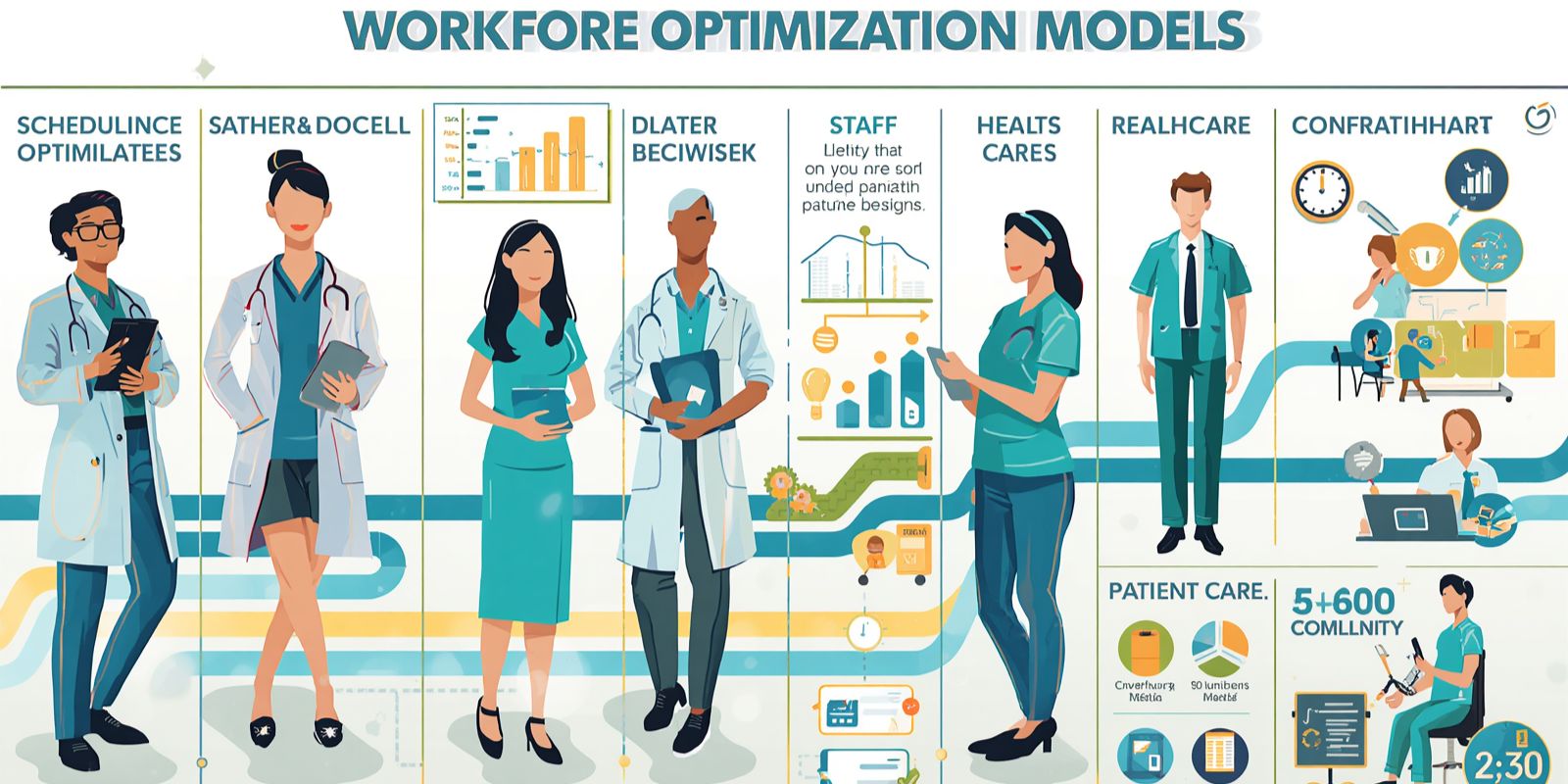
Workforce Optimization Models In Healthcare Sector
Introduction
The healthcare sector is one of the most complex and resource-intensive industries in the world. With rising patient expectations, increasing regulatory demands, and ongoing workforce shortages, healthcare organizations are under immense pressure to deliver high-quality care while maintaining operational efficiency. Workforce optimization has emerged as a critical strategy to address these challenges.
Workforce optimization models in healthcare focus on aligning staff capabilities, schedules, and workflows with patient demand. These models help hospitals, clinics, and healthcare systems maximize productivity, reduce costs, and improve patient outcomes. By leveraging data-driven approaches, technology, and strategic planning, healthcare organizations can create a more agile and resilient workforce.
This article explores key workforce optimization models, their benefits, and how healthcare institutions can implement them effectively.
Understanding Workforce Optimization in Healthcare
Workforce optimization refers to the strategic use of human resources to improve efficiency, performance, and service delivery. In healthcare, it involves ensuring the right number of skilled professionals are available at the right time and place to meet patient needs.
Unlike traditional workforce management, optimization goes beyond scheduling. It integrates workforce planning, performance management, analytics, and technology to create a holistic approach.
Key Workforce Optimization Models
1. Demand-Based Staffing Model
The demand-based staffing model aligns workforce levels with patient demand. It uses historical data, seasonal trends, and predictive analytics to forecast patient volumes.
Key Features:
- Real-time patient flow monitoring
- Predictive demand forecasting
- Flexible staffing adjustments
Benefits:
- Reduces understaffing and overstaffing
- Improves patient satisfaction
- Enhances resource utilization
This model is particularly useful in emergency departments and intensive care units where patient inflow is unpredictable.
2. Skill-Based Workforce Model
The skill-based model focuses on matching staff skills with patient needs. Instead of assigning tasks based solely on job titles, this approach ensures that each healthcare professional works within their area of expertise.
Key Features:
- Skill mapping and competency tracking
- Task-based allocation
- Continuous training and upskilling
Benefits:
- Improves quality of care
- Reduces errors and inefficiencies
- Enhances employee engagement
For example, specialized nurses can handle critical cases while general staff manage routine tasks.
3. Flexible Staffing Model
Flexibility is crucial in healthcare due to fluctuating demand. The flexible staffing model allows organizations to adjust workforce levels dynamically.
Key Features:
- Use of part-time and per diem staff
- Float pools
- Cross-trained employees
Benefits:
- Better response to demand fluctuations
- Reduced burnout among staff
- Lower operational costs
This model helps healthcare facilities maintain continuity of care even during peak periods.
4. Lean Healthcare Model
The lean model focuses on eliminating waste and improving efficiency. Originally derived from manufacturing, it has been successfully adapted to healthcare.
Key Features:
- Process optimization
- Continuous improvement (Kaizen)
- Value stream mapping
Benefits:
- Reduced waiting times
- Improved patient flow
- Enhanced productivity
Lean healthcare ensures that every step in the care process adds value to the patient.
5. Technology-Driven Workforce Model
Technology plays a vital role in workforce optimization. This model leverages digital tools and systems to enhance workforce management.
Key Features:
- Workforce management software
- AI-based scheduling tools
- Real-time analytics dashboards
Benefits:
- Improved decision-making
- Enhanced scheduling accuracy
- Reduced administrative burden
Electronic health records (EHRs), telemedicine platforms, and AI tools contribute significantly to this model.
6. Patient-Centered Care Model
This model focuses on aligning workforce strategies with patient needs and preferences. It emphasizes personalized care and patient satisfaction.
Key Features:
- Patient feedback integration
- Care coordination teams
- Holistic care approach
Benefits:
- Better patient outcomes
- Increased patient loyalty
- Improved healthcare experience
Healthcare organizations adopting this model prioritize patient-centric workflows.
Benefits of Workforce Optimization Models
Implementing workforce optimization models offers numerous advantages:
1. Improved Operational Efficiency
Optimized staffing reduces idle time and ensures maximum productivity.
2. Enhanced Patient Care
Proper staffing levels and skill alignment lead to better clinical outcomes.
3. Cost Reduction
Efficient resource allocation minimizes unnecessary expenses.
4. Employee Satisfaction
Balanced workloads reduce burnout and improve morale.
5. Data-Driven Decision Making
Analytics provide actionable insights for continuous improvement.
Challenges in Implementation
Despite the benefits, healthcare organizations may face challenges:
1. Resistance to Change
Staff may be hesitant to adopt new systems or workflows.
2. Data Limitations
Accurate data is essential for effective optimization.
3. Technology Integration
Implementing new tools can be complex and costly.
4. Regulatory Compliance
Healthcare organizations must adhere to strict regulations.
Best Practices for Workforce Optimization
To successfully implement workforce optimization models, healthcare organizations should follow these best practices:
1. Invest in Technology
Adopt advanced workforce management systems and analytics tools.
2. Focus on Training
Ensure staff are trained to adapt to new processes and technologies.
3. Use Data Effectively
Leverage data for forecasting, planning, and decision-making.
4. Promote Collaboration
Encourage teamwork and communication among healthcare professionals.
5. Monitor and Improve
Continuously evaluate performance and refine strategies.
Future Trends in Healthcare Workforce Optimization
The future of workforce optimization in healthcare is driven by innovation and technology:
1. Artificial Intelligence (AI)
AI will enable predictive staffing and automated scheduling.
2. Telehealth Expansion
Remote care will require new workforce models.
3. Workforce Analytics
Advanced analytics will provide deeper insights into workforce performance.
4. Personalized Workforce Strategies
Customization based on organizational needs will become more common.
5. Gig Economy in Healthcare
Freelance and contract healthcare professionals will play a larger role.
Conclusion
Workforce optimization models are essential for the sustainability and growth of the healthcare sector. By adopting strategies such as demand-based staffing, skill-based allocation, and technology-driven management, healthcare organizations can enhance efficiency, improve patient care, and reduce costs.
As the industry continues to evolve, embracing innovative workforce models will be critical for staying competitive and delivering high-quality healthcare services. Organizations that invest in workforce optimization today will be better positioned to meet future challenges and opportunities.