
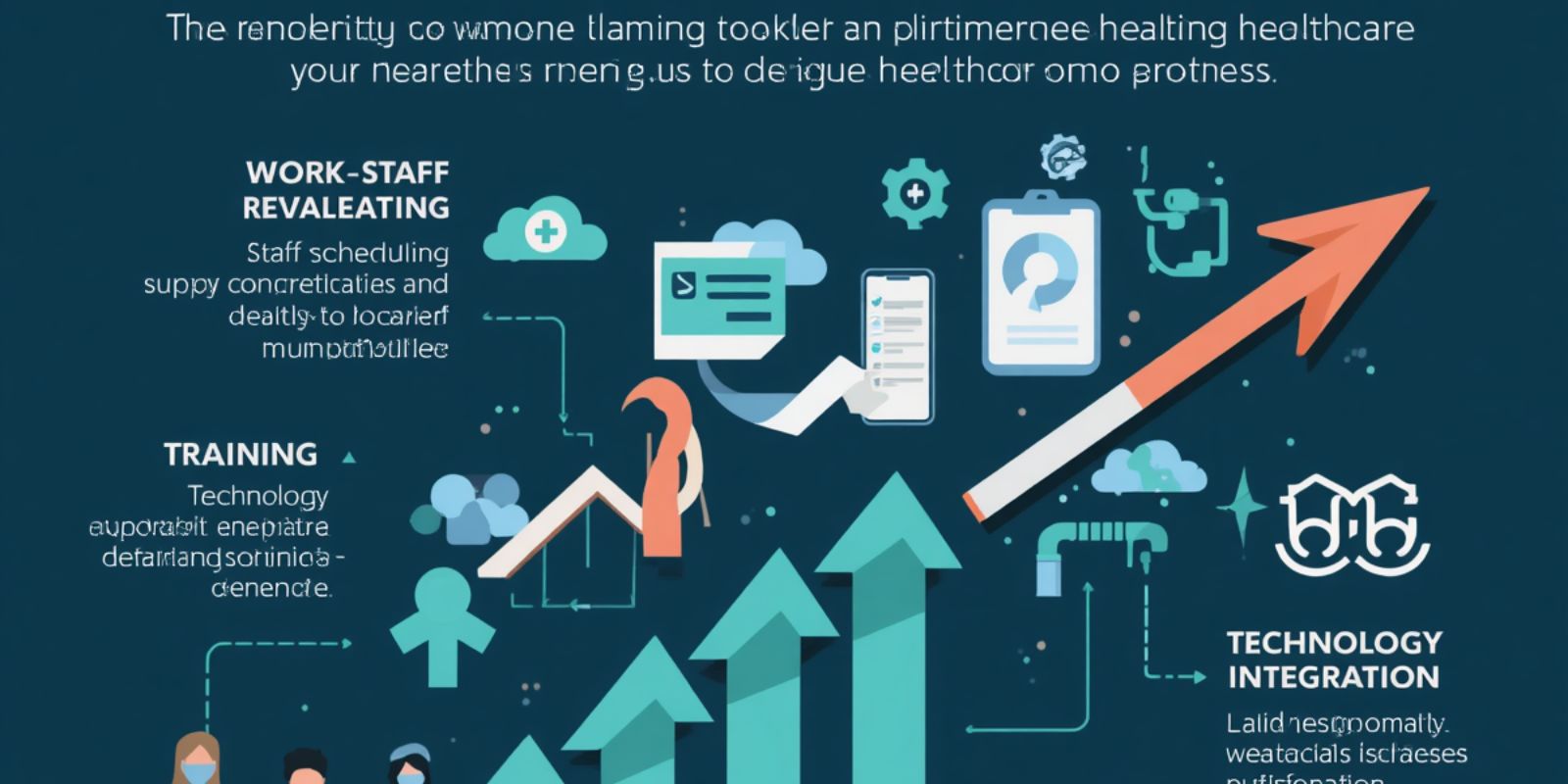
Workforce Optimization Techniques For Healthcare Growth
The healthcare industry is undergoing rapid transformation driven by increasing patient demands, technological advancements, and evolving regulatory requirements. Amid these changes, workforce optimization has emerged as a critical strategy for ensuring sustainable growth. Healthcare organizations must efficiently manage their workforce to deliver high-quality patient care while controlling costs and improving operational performance.
Workforce optimization in healthcare involves aligning staffing strategies, skills, and processes with organizational goals. By leveraging innovative techniques, healthcare providers can enhance productivity, reduce burnout, and create a more resilient workforce. This article explores key workforce optimization techniques that drive growth in the healthcare sector.
Understanding Workforce Optimization in Healthcare
Workforce optimization refers to the strategic management of human resources to maximize efficiency, performance, and outcomes. In healthcare, this means ensuring that the right professionals are available at the right time, equipped with the right skills to provide optimal care.
Healthcare organizations face unique challenges such as fluctuating patient volumes, skill shortages, and increasing administrative burdens. Workforce optimization helps address these issues by improving scheduling, enhancing employee engagement, and utilizing technology effectively.
1. Strategic Workforce Planning
Strategic workforce planning is the foundation of optimization. It involves forecasting future staffing needs based on patient demand, seasonal trends, and organizational growth goals.
Healthcare leaders must analyze historical data, patient flow patterns, and demographic trends to anticipate workforce requirements. By doing so, they can prevent staff shortages and overstaffing, both of which impact operational efficiency and costs.
Effective workforce planning also includes succession planning, ensuring that leadership roles and critical positions are filled without disruption.
2. Leveraging Technology and Automation
Technology plays a crucial role in modern workforce optimization. Healthcare organizations are increasingly adopting digital tools to streamline operations and improve efficiency.
Workforce management software enables automated scheduling, real-time staff tracking, and performance analytics. Electronic health records (EHRs) reduce administrative workload, allowing healthcare professionals to focus more on patient care.
Artificial intelligence and predictive analytics further enhance workforce optimization by forecasting patient demand and recommending optimal staffing levels. Automation of routine tasks minimizes errors and boosts productivity.
3. Flexible Staffing Models
Flexible staffing is essential in addressing the dynamic nature of healthcare demand. Organizations can implement various staffing models such as:
- Part-time and per diem staff
- Temporary or contract workers
- Float pools for cross-departmental support
- Telehealth professionals
These models provide the flexibility needed to handle peak periods and unexpected surges in patient volume. Flexible staffing also reduces burnout among full-time employees by distributing workload more evenly.
4. Skill Mix Optimization
Optimizing the mix of skills within a healthcare workforce ensures that tasks are assigned to the most appropriate professionals. For example, routine procedures can be handled by nurses or physician assistants, allowing doctors to focus on complex cases.
This approach not only improves efficiency but also enhances patient outcomes. Skill mix optimization requires clear role definitions, proper training, and continuous evaluation of workforce capabilities.
Healthcare organizations should invest in upskilling and reskilling programs to keep employees aligned with evolving industry demands.
5. Employee Engagement and Retention
A motivated workforce is key to organizational growth. High turnover rates in healthcare can disrupt operations and increase recruitment costs.
To improve retention, organizations must focus on employee engagement through:
- Competitive compensation and benefits
- Career development opportunities
- Recognition and reward programs
- Supportive work environments
Encouraging open communication and feedback helps build trust and fosters a positive workplace culture. Engaged employees are more productive, deliver better patient care, and contribute to long-term success.
6. Data-Driven Decision Making
Data analytics is a powerful tool for workforce optimization. By analyzing key performance indicators (KPIs), healthcare organizations can identify inefficiencies and make informed decisions.
Important metrics include:
- Staff-to-patient ratios
- Overtime hours
- Employee productivity
- Patient satisfaction scores
Real-time data enables managers to adjust staffing levels and allocate resources effectively. Predictive analytics can also help anticipate future challenges and opportunities.
7. Enhancing Training and Development
Continuous learning is essential in the healthcare industry. Workforce optimization requires a well-trained and knowledgeable team capable of adapting to new technologies and treatment methods.
Organizations should implement comprehensive training programs that include:
- Clinical skill development
- Leadership training
- Technology adoption
- Compliance and regulatory training
E-learning platforms and simulation-based training can enhance learning outcomes while minimizing disruption to daily operations.
8. Improving Workflow Processes
Streamlining workflows is a key component of workforce optimization. Inefficient processes can lead to wasted time, increased stress, and reduced productivity.
Healthcare organizations should evaluate existing workflows and identify bottlenecks. Lean management principles can be applied to eliminate unnecessary steps and improve efficiency.
For example, optimizing patient admission and discharge processes can significantly reduce wait times and improve patient satisfaction. Clear communication channels and standardized procedures also contribute to smoother operations.
9. Promoting Work-Life Balance
Healthcare professionals often face high levels of stress and burnout due to demanding work schedules. Promoting work-life balance is essential for maintaining a healthy and productive workforce.
Organizations can support work-life balance by offering:
- Flexible work schedules
- Remote work options where feasible
- Wellness programs
- Mental health support
A balanced workforce is more engaged, less prone to errors, and better equipped to provide quality care.
10. Utilizing Telehealth and Remote Workforce
Telehealth has revolutionized healthcare delivery, especially in recent years. It allows healthcare providers to offer services remotely, reducing the need for physical infrastructure and optimizing workforce utilization.
Remote workforce models enable organizations to tap into a broader talent pool, including specialists who may not be available locally. Telehealth also improves access to care for patients in remote areas.
Integrating telehealth into workforce strategies enhances flexibility and supports growth by expanding service capabilities.
11. Performance Management and Accountability
Effective performance management ensures that employees meet organizational standards and contribute to overall goals. Regular performance evaluations help identify strengths and areas for improvement.
Healthcare organizations should establish clear performance metrics and provide constructive feedback. Accountability systems encourage employees to take ownership of their roles and responsibilities.
Recognition of high-performing individuals and teams further motivates the workforce and drives continuous improvement.
12. Collaboration and Team-Based Care
Collaboration is essential in healthcare, where multiple professionals work together to deliver patient care. Team-based care models improve communication, reduce errors, and enhance patient outcomes.
Encouraging interdisciplinary collaboration allows healthcare providers to leverage diverse expertise. This approach not only improves efficiency but also fosters innovation and problem-solving.
Strong teamwork contributes to a more cohesive and productive workforce.
13. Cost Optimization Strategies
Managing costs is a critical aspect of workforce optimization. Healthcare organizations must balance quality care with financial sustainability.
Cost optimization techniques include:
- Reducing overtime expenses
- Minimizing reliance on expensive temporary staff
- Improving resource allocation
- Implementing efficient scheduling systems
By optimizing costs, organizations can invest more in technology, training, and patient care initiatives.
14. Adapting to Regulatory Changes
Healthcare is a highly regulated industry, and compliance is essential for operational success. Workforce optimization strategies must align with regulatory requirements to avoid penalties and ensure patient safety.
Organizations should stay updated on regulatory changes and provide necessary training to employees. Compliance management systems can help streamline processes and maintain adherence to standards.
Conclusion
Workforce optimization is a vital driver of growth in the healthcare industry. By implementing strategic planning, leveraging technology, and focusing on employee well-being, healthcare organizations can enhance efficiency and deliver superior patient care.
As the industry continues to evolve, adopting innovative workforce optimization techniques will be essential for staying competitive. Organizations that prioritize their workforce will not only achieve operational excellence but also build a sustainable foundation for future growth.