
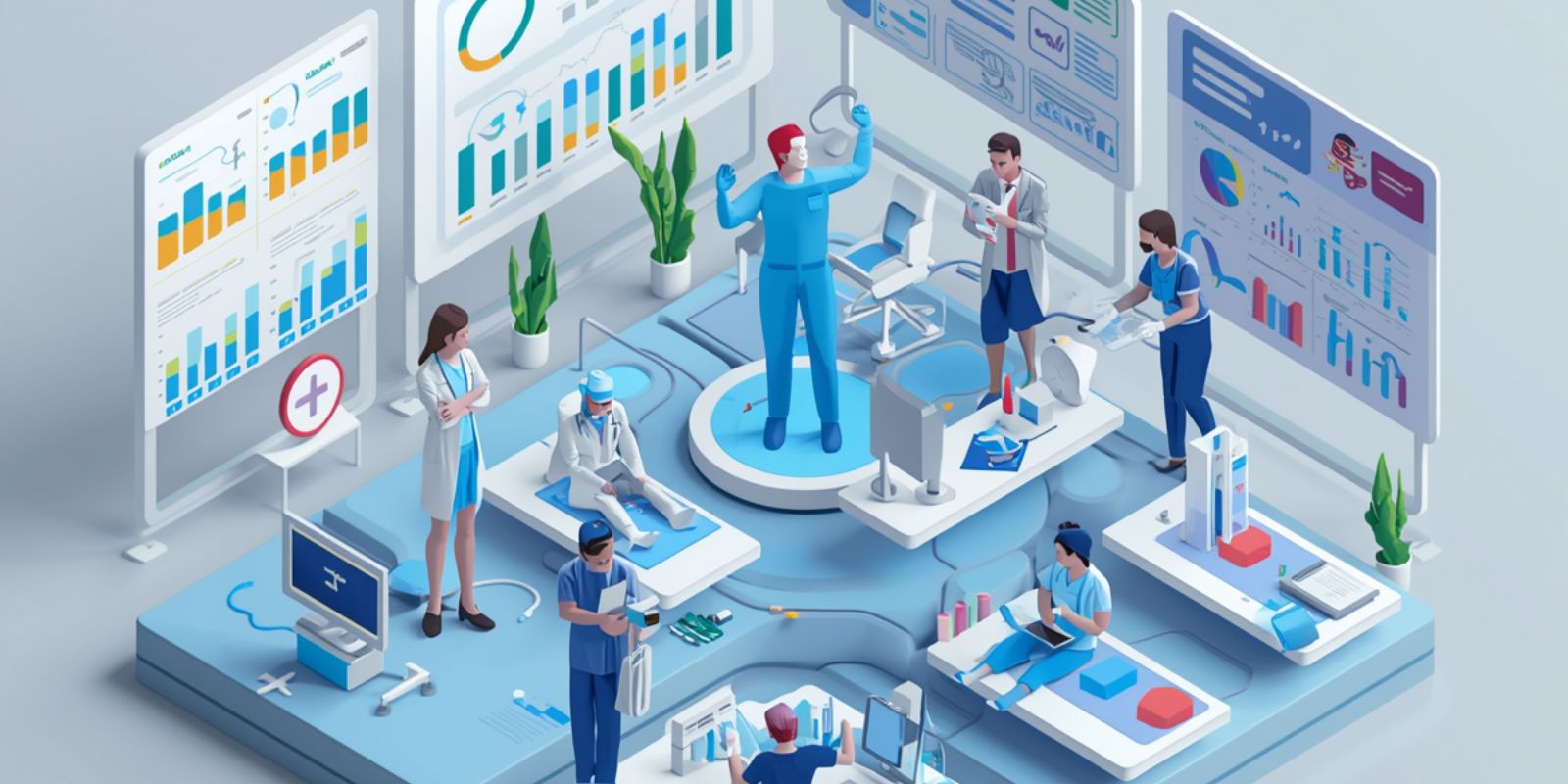
Workforce Planning Ensures Healthcare System Efficiency
Healthcare systems across the world are under constant pressure to deliver high-quality care while managing costs, improving patient outcomes, and addressing workforce shortages. One of the most effective ways to achieve these goals is through strategic workforce planning. Workforce planning ensures that healthcare organizations have the right number of skilled professionals in the right roles at the right time. When executed effectively, it becomes a powerful driver of efficiency, productivity, and sustainability.
Understanding Workforce Planning in Healthcare
Workforce planning in healthcare refers to the systematic process of analyzing current workforce capabilities, forecasting future staffing needs, and developing strategies to bridge gaps. It is not just about hiring more staff—it is about optimizing existing resources, aligning workforce capabilities with organizational goals, and ensuring long-term resilience.
Healthcare systems are complex environments where demand can fluctuate rapidly due to seasonal illnesses, emergencies, or demographic changes. Without proper workforce planning, organizations may face understaffing, burnout, inefficiencies, and compromised patient care.
The Importance of Workforce Planning
Healthcare efficiency is directly tied to how well human resources are managed. Workforce planning plays a critical role in:
- Ensuring optimal staffing levels: Avoids both understaffing and overstaffing
- Improving patient care quality: Adequate staffing leads to better attention and outcomes
- Reducing operational costs: Minimizes overtime and unnecessary hiring
- Enhancing employee satisfaction: Balanced workloads reduce burnout and turnover
- Supporting strategic goals: Aligns workforce capabilities with organizational vision
When workforce planning is integrated into healthcare operations, it creates a proactive approach rather than a reactive one.
Key Components of Effective Workforce Planning
To ensure healthcare system efficiency, workforce planning must include several key components:
1. Workforce Analysis
This involves evaluating the current workforce, including skills, qualifications, experience, and performance levels. It helps identify strengths and areas needing improvement.
2. Demand Forecasting
Healthcare organizations must anticipate future workforce needs based on patient demand, population growth, technological advancements, and policy changes.
3. Gap Analysis
Gap analysis compares current workforce capabilities with future requirements. This helps identify shortages, surpluses, or skill mismatches.
4. Strategic Workforce Development
This includes recruitment, training, upskilling, and succession planning to ensure the workforce meets future demands.
5. Monitoring and Evaluation
Continuous assessment ensures that workforce strategies remain effective and adaptable to changing conditions.
Benefits of Workforce Planning in Healthcare
Improved Operational Efficiency
When staffing levels are aligned with patient needs, healthcare organizations can operate smoothly without unnecessary delays or disruptions. Efficient scheduling and resource allocation reduce waiting times and improve service delivery.
Enhanced Patient Outcomes
Adequate staffing ensures that healthcare professionals can dedicate sufficient time to each patient. This leads to better diagnosis, treatment, and overall patient satisfaction.
Cost Optimization
Workforce planning helps control labor costs by reducing reliance on temporary staff, overtime, and emergency hiring. It also prevents financial losses caused by inefficiencies.
Reduced Employee Burnout
Healthcare professionals often face high stress levels. Workforce planning ensures balanced workloads, which reduces burnout, absenteeism, and attrition.
Better Crisis Management
During emergencies such as pandemics or natural disasters, workforce planning enables healthcare systems to respond effectively by reallocating resources and scaling operations quickly.
Role of Technology in Workforce Planning
Modern healthcare systems are increasingly leveraging technology to enhance workforce planning. Advanced tools and software provide data-driven insights that improve decision-making.
- Predictive analytics: Helps forecast patient demand and staffing needs
- Workforce management systems: Automate scheduling and resource allocation
- Artificial intelligence: Identifies patterns and recommends optimal staffing strategies
- Cloud-based platforms: Enable real-time collaboration and data sharing
Technology not only improves accuracy but also enables healthcare leaders to make informed, timely decisions.
Challenges in Workforce Planning
Despite its benefits, workforce planning in healthcare comes with challenges:
Data Limitations
Accurate workforce planning relies on high-quality data. Incomplete or outdated data can lead to incorrect forecasts.
Rapidly Changing Demand
Healthcare demand can change unpredictably, making it difficult to plan with precision.
Skill Shortages
There is a global shortage of skilled healthcare professionals, particularly in specialized fields.
Resistance to Change
Implementing new workforce strategies or technologies may face resistance from staff accustomed to traditional methods.
Budget Constraints
Limited financial resources can restrict hiring, training, and technology investments.
Strategies to Overcome Workforce Planning Challenges
To ensure workforce planning effectively drives healthcare efficiency, organizations can adopt the following strategies:
Invest in Data Analytics
Accurate and real-time data is essential for effective planning. Investing in analytics tools can significantly improve forecasting and decision-making.
Focus on Training and Development
Upskilling existing staff is often more cost-effective than hiring new employees. Continuous learning programs help bridge skill gaps.
Promote Flexible Workforce Models
Flexible staffing arrangements, such as part-time roles, telehealth services, and cross-functional teams, can enhance adaptability.
Strengthen Leadership and Communication
Clear communication and strong leadership are crucial for successful workforce planning implementation.
Collaborate with Educational Institutions
Partnerships with universities and training institutes can help build a steady pipeline of skilled healthcare professionals.
Workforce Planning and Healthcare Sustainability
Sustainability in healthcare is not just about environmental practices—it also involves maintaining a stable and capable workforce. Workforce planning ensures long-term sustainability by:
- Preparing for future healthcare demands
- Reducing employee turnover
- Enhancing organizational resilience
- Supporting continuous improvement
A well-planned workforce is essential for maintaining consistent quality care while adapting to evolving healthcare needs.
The Future of Workforce Planning in Healthcare
As healthcare systems continue to evolve, workforce planning will become even more critical. Emerging trends include:
- Increased use of AI and automation
- Greater emphasis on data-driven decision-making
- Expansion of telehealth and remote care services
- Focus on employee well-being and work-life balance
- Integration of interdisciplinary teams
Organizations that embrace these trends will be better positioned to achieve efficiency and deliver high-quality care.
Conclusion
Workforce planning is a cornerstone of healthcare system efficiency. By aligning workforce capabilities with organizational goals and patient needs, healthcare providers can optimize operations, improve patient outcomes, and ensure long-term sustainability.
In an environment where resources are limited and demand is constantly changing, proactive workforce planning is not optional—it is essential. Healthcare organizations that invest in strategic workforce planning will not only enhance efficiency but also build a resilient system capable of meeting future challenges.