
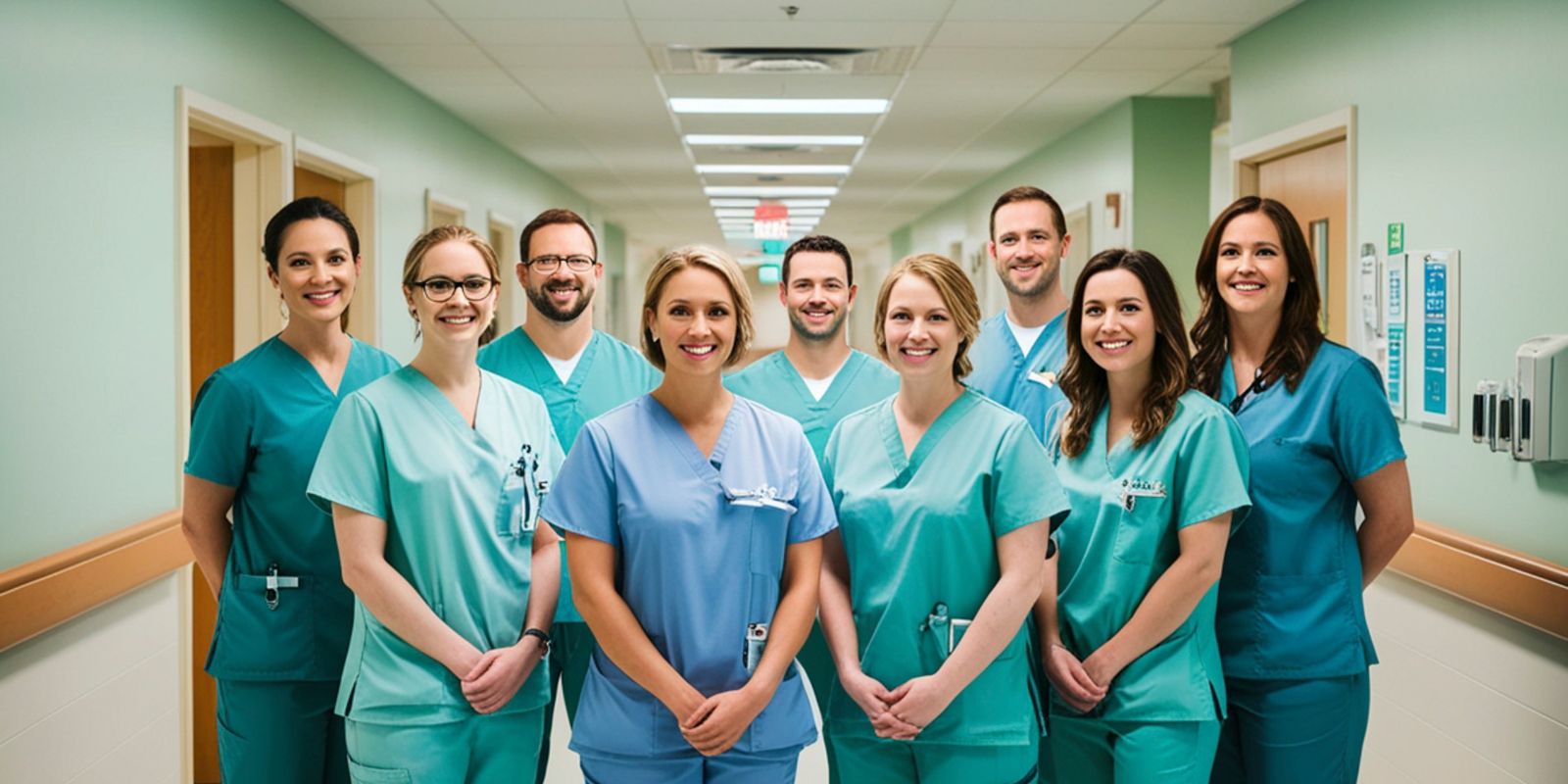
Healthcare Staffing Solutions for Hospitals
Healthcare systems around the world are facing increasing pressure due to rising patient volumes, workforce shortages, and rapidly evolving medical technologies. Hospitals must maintain high-quality patient care while managing operational costs and workforce challenges. One of the most effective ways to address these issues is through healthcare staffing solutions.
Healthcare staffing solutions help hospitals recruit, manage, and retain skilled professionals such as doctors, nurses, technicians, and administrative staff. By partnering with professional staffing agencies, hospitals can ensure they have the right people in the right roles at the right time.
This article explores the importance of healthcare staffing solutions for hospitals, the challenges hospitals face in workforce management, and how strategic staffing approaches can improve patient care and operational efficiency.
Growing Need for Healthcare Staffing in Hospitals
Healthcare demand continues to increase due to aging populations, rising chronic diseases, and expanding healthcare services. Hospitals must respond quickly to fluctuating patient loads while maintaining high standards of care.
However, staffing shortages remain one of the biggest challenges in the healthcare industry. Many hospitals struggle to recruit qualified professionals, especially specialized nurses, physicians, and technicians.
Healthcare staffing solutions address these gaps by providing flexible hiring models, access to qualified professionals, and streamlined recruitment processes.
Key Challenges in Hospital Staffing
Hospitals face multiple staffing challenges that can affect both patient outcomes and operational efficiency.
1. Shortage of Skilled Healthcare Professionals
There is a global shortage of nurses, physicians, and allied health professionals. Recruiting qualified talent can take months, leaving hospitals understaffed and overburdened.
Healthcare staffing agencies maintain large talent pools, allowing hospitals to quickly access experienced professionals when needed.
2. Sudden Increase in Patient Volume
Hospitals often experience unexpected patient surges during seasonal illnesses, public health emergencies, or disasters. These situations require additional staff on short notice.
Temporary staffing solutions help hospitals quickly scale their workforce to meet patient demand.
3. Staff Burnout and Turnover
Healthcare professionals often work long hours in high-pressure environments. Burnout leads to high turnover rates, which further increases staffing shortages.
Flexible staffing models help distribute workloads more effectively and reduce burnout among existing staff.
4. Compliance and Credentialing Requirements
Hospitals must ensure that all healthcare workers meet strict licensing and certification requirements. Managing these processes internally can be time-consuming.
Staffing providers handle credential verification, licensing, and background checks, ensuring compliance with healthcare regulations.
Types of Healthcare Staffing Solutions
Hospitals can choose from various staffing models depending on their operational needs.
Temporary Staffing
Temporary healthcare staffing provides short-term professionals to cover staff shortages, maternity leaves, seasonal demand, or emergencies.
Temporary nurses, physicians, and technicians can help hospitals maintain smooth operations without long-term hiring commitments.
Contract Staffing
Contract staffing involves hiring healthcare professionals for a fixed period or specific project. Hospitals often use this model for specialized roles or short-term medical programs.
Contract staffing allows hospitals to access specialized expertise without permanent recruitment.
Permanent Placement
Permanent healthcare staffing focuses on recruiting full-time employees for hospitals. Staffing agencies handle candidate sourcing, screening, and interviews, reducing recruitment time.
This approach helps hospitals find highly qualified professionals who align with their long-term goals.
Travel Healthcare Staffing
Travel healthcare professionals work in hospitals for temporary assignments in different locations. This model helps hospitals address regional staffing shortages and maintain patient care during peak demand.
Travel nurses and doctors are particularly valuable during emergencies and high-demand seasons.
Benefits of Healthcare Staffing Solutions for Hospitals
Healthcare staffing solutions provide multiple advantages that improve hospital performance and patient care.
Faster Hiring Process
Staffing agencies have access to pre-screened candidates, enabling hospitals to fill vacancies quickly. This reduces downtime and ensures continuous patient care.
Access to Skilled Talent
Staffing providers maintain extensive networks of healthcare professionals with diverse specializations. Hospitals can easily find candidates with the specific skills they require.
Cost Efficiency
Recruitment, onboarding, and training can be expensive. Staffing agencies streamline these processes, helping hospitals reduce hiring costs and administrative workload.
Workforce Flexibility
Flexible staffing models allow hospitals to adjust workforce levels based on patient demand. This ensures optimal staffing without unnecessary labor costs.
Improved Patient Care
Adequate staffing levels enable healthcare professionals to focus on patient care rather than being overwhelmed by workload. This improves patient satisfaction and treatment outcomes.
Role of Technology in Healthcare Staffing
Modern healthcare staffing solutions are increasingly powered by advanced technologies that enhance efficiency and transparency.
AI-Based Recruitment
Artificial intelligence helps staffing agencies identify the best candidates by analyzing qualifications, experience, and compatibility with hospital requirements.
AI-driven tools significantly reduce recruitment time and improve candidate matching.
Workforce Management Software
Hospitals use workforce management systems to track schedules, shifts, and employee availability. These tools help optimize staff allocation and reduce scheduling conflicts.
Telehealth Staffing
The growth of telemedicine has created new staffing opportunities. Hospitals now hire remote healthcare professionals who can provide virtual consultations and support services.
Telehealth staffing helps hospitals expand services while reducing infrastructure costs.
Importance of Specialized Healthcare Recruiters
Healthcare recruitment requires deep industry knowledge. Specialized recruiters understand the qualifications, certifications, and experience required for different medical roles.
They also maintain strong relationships with healthcare professionals, enabling faster hiring and better candidate matching.
Hospitals benefit from these industry insights when working with experienced healthcare staffing partners.
Strategies for Effective Hospital Staffing
Hospitals can improve workforce management by adopting strategic staffing approaches.
Workforce Planning
Long-term workforce planning helps hospitals anticipate staffing needs based on patient trends, retirement rates, and service expansion.
Building Talent Pipelines
Partnering with staffing agencies allows hospitals to build a steady pipeline of qualified professionals who can be deployed when needed.
Continuous Training and Development
Investing in training programs helps hospitals retain employees and improve staff performance.
Flexible Work Models
Offering flexible work schedules and contract options can attract more healthcare professionals and reduce burnout.
Future of Healthcare Staffing in Hospitals
Healthcare staffing is evolving rapidly due to technological advancements and changing workforce expectations.
Several trends will shape the future of hospital staffing:
- Increased use of AI and automation in recruitment
- Growth of telehealth and remote healthcare staffing
- Greater demand for specialized medical professionals
- Expansion of flexible staffing models
- Increased focus on employee wellbeing and retention
Hospitals that adopt modern staffing solutions will be better equipped to handle future healthcare challenges.
Conclusion
Healthcare staffing solutions play a critical role in helping hospitals maintain high-quality patient care while managing workforce challenges. From temporary staffing and contract hiring to permanent recruitment, these solutions provide hospitals with access to skilled professionals and flexible workforce models.
By partnering with experienced healthcare staffing providers, hospitals can reduce recruitment time, improve workforce efficiency, and enhance patient outcomes. As healthcare demands continue to grow, strategic staffing solutions will become even more essential for ensuring sustainable hospital operations.
Hospitals that invest in modern staffing strategies, technology-driven recruitment, and workforce development will be well-positioned to deliver exceptional patient care in an increasingly complex healthcare environment.