
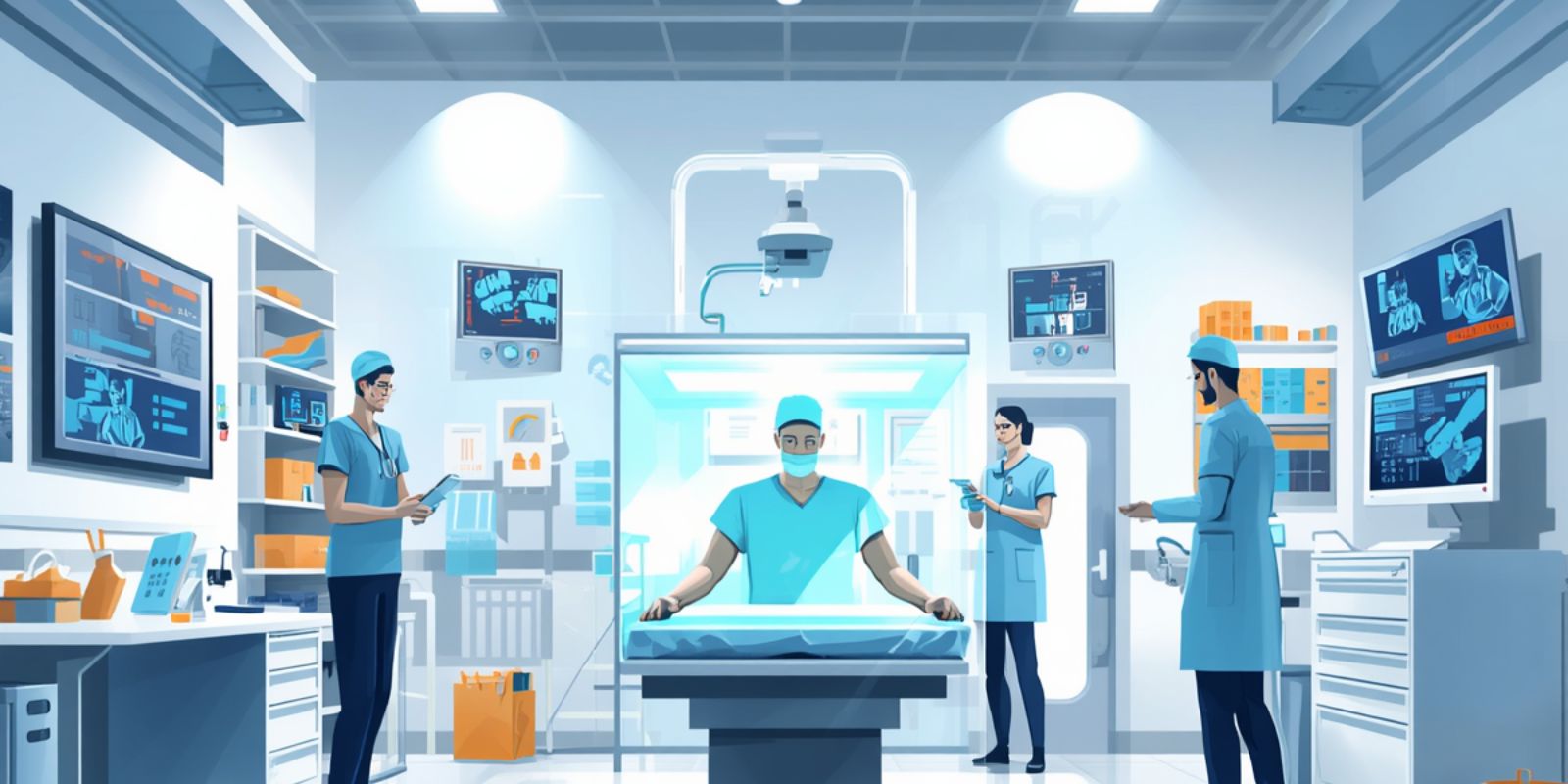
Solutions to Improve Healthcare Workforce Efficiency
Introduction
Healthcare systems across the globe are under immense pressure to deliver high-quality patient care while managing limited resources, increasing patient volumes, and rising operational costs. One of the most critical components influencing healthcare performance is workforce efficiency. When healthcare professionals are supported by the right systems, tools, and strategies, organizations can enhance productivity, improve patient outcomes, and reduce burnout.
Improving workforce efficiency in healthcare is not about making staff work harder—it’s about enabling them to work smarter. This involves implementing solutions that streamline workflows, optimize staffing, reduce administrative burdens, and enhance communication. In this article, we will explore the most effective solutions that healthcare organizations can adopt to improve workforce efficiency.
1. Workforce Planning and Predictive Analytics
One of the most powerful solutions for improving workforce efficiency is strategic workforce planning supported by predictive analytics. Healthcare organizations often struggle with overstaffing or understaffing, both of which can negatively impact efficiency and patient care.
Predictive analytics uses historical data, patient trends, and seasonal patterns to forecast staffing needs accurately. This allows healthcare managers to:
- Allocate staff based on patient demand
- Reduce overtime costs
- Avoid staff shortages during peak times
- Improve patient satisfaction
By aligning staffing levels with real-time needs, organizations can ensure optimal utilization of their workforce.
2. Digital Health Technologies
Technology plays a central role in enhancing workforce efficiency. Digital health solutions such as Electronic Health Records (EHRs), telemedicine, and mobile health apps significantly reduce manual workload and improve care coordination.
Key benefits include:
- Faster access to patient data
- Reduced paperwork and administrative tasks
- Improved communication among care teams
- Enhanced patient monitoring
For example, EHR systems allow healthcare providers to access patient information instantly, eliminating the need for repetitive documentation and minimizing errors.
3. Task Automation and AI Integration
Automation is transforming healthcare by taking over repetitive and time-consuming tasks. Artificial Intelligence (AI) can assist with scheduling, billing, diagnostics, and even patient triage.
Common automation applications:
- Appointment scheduling systems
- Automated billing and coding
- AI-powered diagnostic tools
- Chatbots for patient queries
By automating routine processes, healthcare professionals can focus more on patient care rather than administrative duties, significantly improving efficiency.
4. Flexible Staffing Models
Traditional staffing models are often rigid and fail to adapt to changing healthcare demands. Flexible staffing solutions, such as float pools, per diem staff, and part-time professionals, help organizations maintain efficiency.
Advantages of flexible staffing:
- Quick response to patient volume fluctuations
- Reduced burnout among full-time staff
- Cost-effective workforce management
- Better work-life balance for employees
Flexible staffing ensures that healthcare facilities always have the right number of professionals available without overburdening the existing workforce.
5. Training and Skill Development Programs
A well-trained workforce is an efficient workforce. Continuous education and upskilling programs ensure that healthcare professionals stay updated with the latest medical practices and technologies.
Key focus areas:
- Clinical skill enhancement
- Technology training (EHR, AI tools)
- Leadership development
- Soft skills such as communication and teamwork
Investing in employee development not only improves efficiency but also boosts morale and job satisfaction, leading to better retention rates.
6. Workflow Optimization and Process Improvement
Inefficient workflows are one of the biggest barriers to workforce productivity in healthcare. Streamlining processes can eliminate redundancies and improve overall performance.
Strategies for workflow optimization:
- Mapping and analyzing existing processes
- Eliminating unnecessary steps
- Standardizing procedures
- Implementing lean management techniques
When workflows are optimized, healthcare staff can complete tasks faster and with fewer errors, enhancing both efficiency and patient care quality.
7. Effective Communication Systems
Clear and efficient communication is essential in healthcare settings where timely decisions can impact patient outcomes. Poor communication often leads to delays, errors, and inefficiencies.
Solutions include:
- Secure messaging platforms
- Integrated communication systems
- Real-time collaboration tools
- Standardized handoff protocols
Improved communication ensures that all team members are aligned, reducing misunderstandings and enhancing coordination.
8. Employee Well-being and Burnout Prevention
Healthcare professionals often face high levels of stress, which can lead to burnout and reduced efficiency. Addressing employee well-being is crucial for maintaining a productive workforce.
Key initiatives:
- Mental health support programs
- Flexible work schedules
- Adequate rest periods
- Recognition and reward systems
A healthy and motivated workforce is more engaged, productive, and committed to delivering high-quality care.
9. Performance Monitoring and Feedback Systems
Regular performance evaluation helps identify gaps and opportunities for improvement. Data-driven performance management systems enable organizations to track productivity and efficiency metrics.
Important metrics include:
- Patient wait times
- Staff utilization rates
- Task completion times
- Patient satisfaction scores
Providing timely feedback and recognizing achievements encourages continuous improvement and accountability among healthcare professionals.
10. Outsourcing and Managed Services
Outsourcing non-core functions such as billing, IT support, and administrative tasks can significantly improve workforce efficiency. This allows healthcare providers to focus on their primary responsibility—patient care.
Benefits of outsourcing:
- Reduced administrative burden
- Access to specialized expertise
- Cost savings
- Improved operational efficiency
Managed services providers can handle complex tasks more efficiently, freeing up internal resources for critical functions.
11. Use of Telehealth and Remote Care
Telehealth has emerged as a game-changing solution in healthcare efficiency. It allows providers to deliver care remotely, reducing the need for in-person visits.
Advantages:
- Increased patient access to care
- Reduced workload on healthcare facilities
- Time savings for both patients and providers
- Improved chronic disease management
Telehealth enables healthcare professionals to manage more patients effectively without compromising care quality.
12. Data-Driven Decision Making
Data is a powerful tool for improving workforce efficiency. Healthcare organizations can use data analytics to identify inefficiencies, predict trends, and make informed decisions.
Applications include:
- Resource allocation
- Staff scheduling
- Patient flow management
- Performance benchmarking
By leveraging data, healthcare leaders can implement targeted strategies that enhance productivity and operational effectiveness.
Conclusion
Improving workforce efficiency in healthcare requires a comprehensive approach that combines technology, strategic planning, and employee-focused initiatives. From predictive analytics and automation to flexible staffing and employee well-being programs, each solution plays a vital role in enhancing productivity and care quality.
Healthcare organizations that invest in these solutions can create a more efficient, resilient, and patient-centered workforce. Ultimately, the goal is not just to improve efficiency but to ensure that healthcare professionals are empowered to deliver the best possible care.