
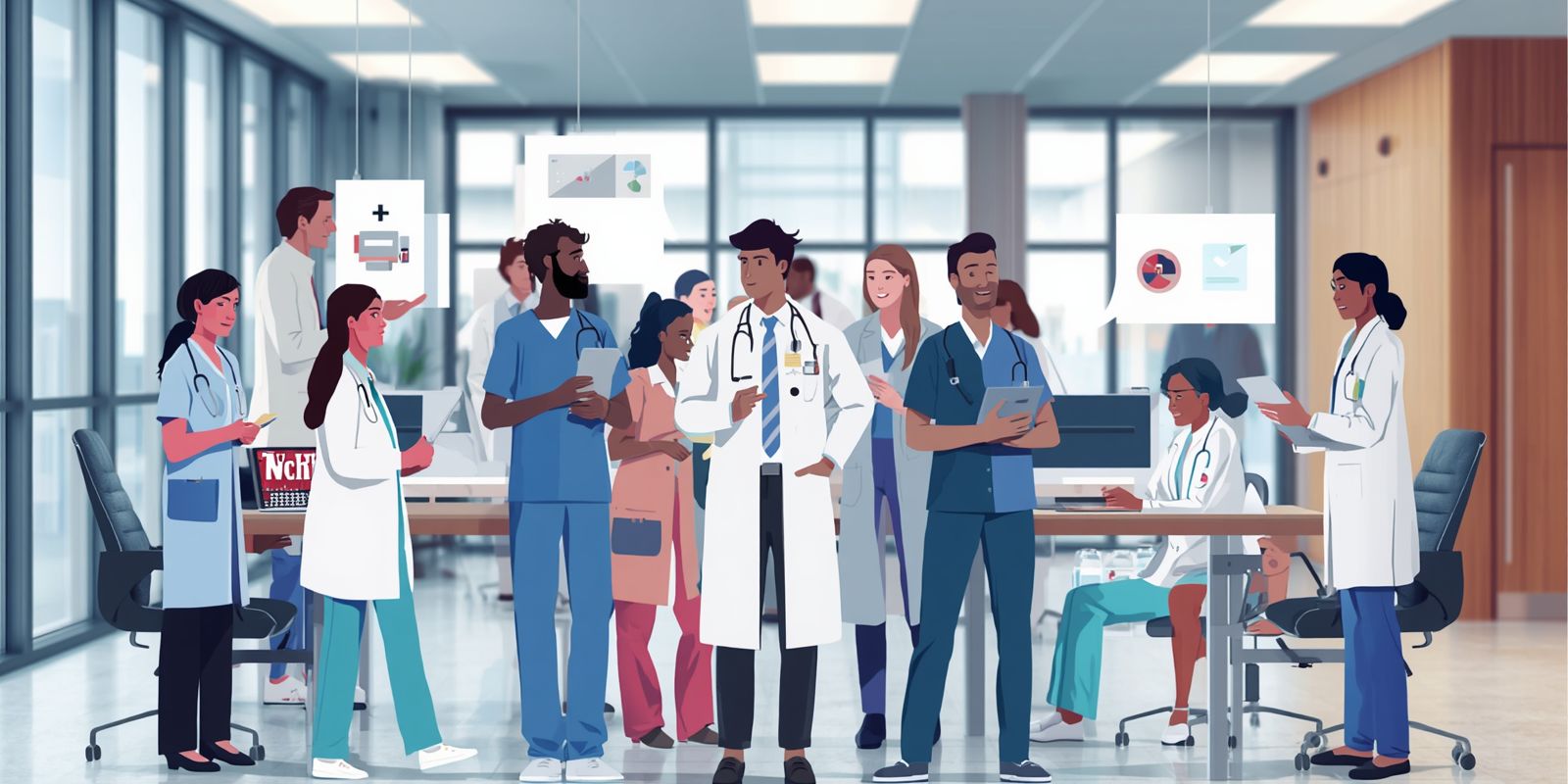
Healthcare Recruitment Innovations Driving Business Growth
Introduction
The healthcare industry is undergoing a rapid transformation driven by technological advancements, evolving patient expectations, and increasing demand for quality care. At the center of this transformation lies one of the most critical components of success—recruitment. Healthcare organizations today are not just hiring to fill vacancies; they are strategically building a workforce that can drive innovation, improve patient outcomes, and ensure long-term business growth.
Traditional recruitment methods are no longer sufficient to meet the dynamic needs of the healthcare sector. As a result, organizations are embracing innovative recruitment strategies that enhance efficiency, attract top talent, and create a competitive advantage. These innovations are not only reshaping hiring practices but are also directly contributing to business growth by improving workforce quality, reducing costs, and increasing operational agility.
The Need for Innovation in Healthcare Recruitment
Healthcare systems worldwide face challenges such as talent shortages, high turnover rates, and increasing specialization requirements. The demand for skilled professionals—ranging from doctors and nurses to technicians and administrative staff—continues to outpace supply.
In such a scenario, innovative recruitment practices are essential for:
- Identifying and attracting qualified candidates quickly
- Enhancing candidate experience
- Reducing time-to-hire
- Improving retention rates
- Supporting organizational scalability
Without innovation, healthcare providers risk falling behind in both patient care and business performance.
Key Recruitment Innovations Transforming Healthcare
1. Digital Recruitment Platforms
The adoption of digital platforms has revolutionized healthcare hiring. Online job portals, AI-powered recruitment tools, and applicant tracking systems (ATS) enable organizations to streamline the hiring process.
These platforms allow recruiters to:
- Reach a wider talent pool
- Automate resume screening
- Match candidates based on skills and experience
- Track recruitment metrics in real time
Digital recruitment significantly reduces administrative burden and speeds up hiring, ensuring that critical positions are filled promptly.
2. Artificial Intelligence and Automation
Artificial Intelligence (AI) is playing a crucial role in modern healthcare recruitment. AI-driven tools can analyze large volumes of data to identify the best candidates, predict hiring outcomes, and even assess candidate behavior.
Automation helps in:
- Scheduling interviews
- Sending follow-up communications
- Conducting initial candidate assessments
This not only improves efficiency but also minimizes human bias, leading to more objective hiring decisions.
3. Tele-recruitment and Virtual Hiring
The rise of remote technologies has made virtual hiring a standard practice. Tele-recruitment includes video interviews, online assessments, and digital onboarding processes.
Benefits include:
- Faster hiring cycles
- Reduced travel and logistical costs
- Access to global talent pools
- Increased flexibility for candidates and recruiters
Virtual hiring ensures continuity in recruitment, even during disruptions such as pandemics or geographic limitations.
4. Employer Branding and Candidate Experience
Healthcare organizations are increasingly focusing on employer branding to attract top talent. A strong employer brand highlights the organization’s values, culture, and growth opportunities.
Enhancing candidate experience involves:
- Transparent communication
- User-friendly application processes
- Timely feedback
- Personalized engagement
A positive candidate experience not only improves hiring success but also strengthens the organization’s reputation in the market.
5. Data-Driven Recruitment Strategies
Data analytics is transforming how healthcare organizations approach recruitment. By analyzing hiring trends, candidate behavior, and performance metrics, organizations can make informed decisions.
Data-driven recruitment helps in:
- Identifying skill gaps
- Forecasting workforce needs
- Optimizing recruitment channels
- Improving hiring quality
This strategic approach ensures that recruitment efforts align with long-term business goals.
6. Flexible Staffing Models
Innovative staffing solutions such as contract hiring, temporary staffing, and gig-based roles are gaining popularity in healthcare.
These models offer:
- Scalability during peak demand
- Cost efficiency
- Access to specialized skills
- Reduced long-term commitments
Flexible staffing allows healthcare organizations to adapt quickly to changing demands without compromising service quality.
7. Diversity and Inclusion Initiatives
Diversity and inclusion (D&I) are becoming integral to recruitment strategies. A diverse workforce brings varied perspectives, enhances problem-solving, and improves patient care.
Innovative D&I practices include:
- Blind recruitment processes
- Inclusive job descriptions
- Targeted outreach programs
- Bias-free assessment tools
Promoting diversity not only supports social responsibility but also drives innovation and business growth.
8. Upskilling and Internal Mobility
Recruitment innovation is not limited to external hiring. Organizations are increasingly investing in upskilling and internal mobility programs.
This approach:
- Reduces dependency on external hiring
- Enhances employee engagement
- Builds a future-ready workforce
- Improves retention rates
By nurturing existing talent, healthcare organizations can create a sustainable talent pipeline.
Impact on Business Growth
Improved Operational Efficiency
Innovative recruitment practices streamline hiring processes, reduce delays, and ensure that the right talent is placed in the right roles. This leads to improved productivity and smoother operations.
Enhanced Patient Care
A skilled and well-matched workforce directly impacts patient outcomes. Better recruitment leads to higher-quality care, increased patient satisfaction, and stronger organizational reputation.
Cost Optimization
Automation and digital tools reduce recruitment costs by minimizing manual efforts and shortening hiring cycles. Flexible staffing models further contribute to cost efficiency.
Competitive Advantage
Organizations that adopt innovative recruitment strategies gain a significant edge over competitors. They can attract top talent, adapt to market changes, and respond effectively to industry challenges.
Scalability and Growth
Efficient recruitment systems enable healthcare organizations to scale their operations seamlessly. Whether expanding services or entering new markets, a strong recruitment framework supports sustainable growth.
Challenges in Implementing Recruitment Innovations
While the benefits are significant, implementing recruitment innovations comes with challenges such as:
- High initial investment in technology
- Resistance to change among staff
- Data privacy and security concerns
- Need for continuous training and updates
To overcome these challenges, organizations must adopt a phased approach, invest in training, and ensure alignment between technology and business objectives.
Future Trends in Healthcare Recruitment
The future of healthcare recruitment will be shaped by emerging technologies and evolving workforce expectations. Key trends include:
- Increased use of predictive analytics
- Integration of virtual reality (VR) in training and hiring
- Greater emphasis on remote and hybrid roles
- Expansion of global talent sourcing
- Enhanced focus on employee well-being and work-life balance
Organizations that stay ahead of these trends will be better positioned to drive growth and innovation.
Conclusion
Healthcare recruitment is no longer just a support function—it is a strategic driver of business success. Innovations in recruitment are enabling healthcare organizations to attract, retain, and develop top talent more effectively than ever before.
By leveraging digital tools, embracing data-driven strategies, and focusing on candidate experience, healthcare providers can build a resilient and future-ready workforce. These innovations not only improve operational efficiency and patient care but also create a strong foundation for long-term business growth.
In an industry where human capital is the most valuable asset, investing in recruitment innovation is not just an option—it is a necessity for sustainable success.