
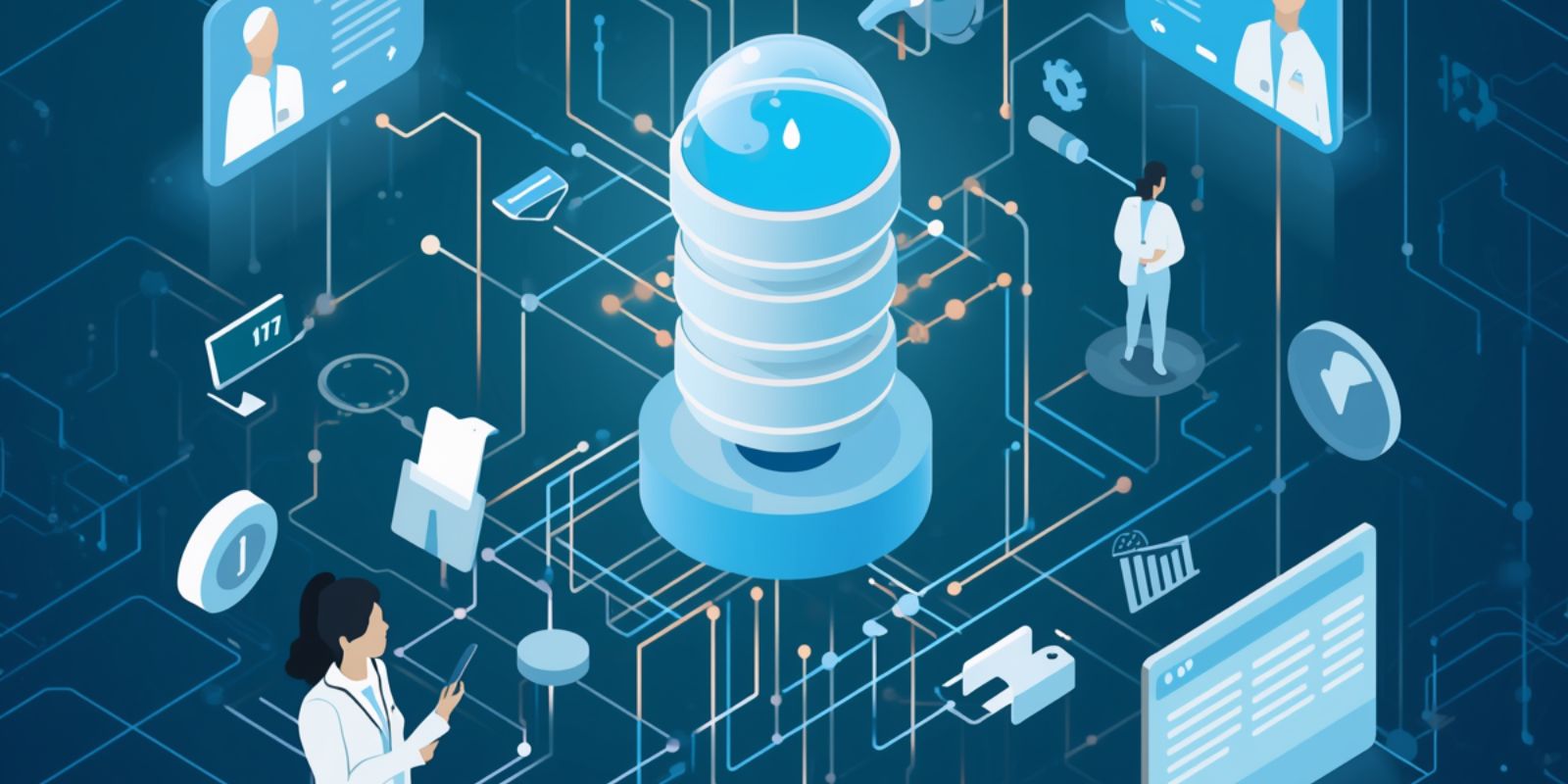
AI Driven Workforce Solutions In Healthcare
The healthcare industry is undergoing a profound transformation, driven by rapid advancements in artificial intelligence (AI). One of the most significant areas of impact is workforce management. AI-driven workforce solutions are helping healthcare organizations overcome staffing shortages, improve operational efficiency, and enhance patient care. As hospitals, clinics, and diagnostic centers face increasing pressure to deliver quality services with limited resources, AI is emerging as a powerful tool to reshape how healthcare professionals are recruited, deployed, and managed.
The Growing Need for Workforce Innovation in Healthcare
Healthcare systems worldwide are dealing with a combination of challenges: aging populations, rising chronic diseases, and an increasing demand for specialized care. At the same time, there is a persistent shortage of skilled healthcare professionals, including doctors, nurses, technicians, and administrative staff.
Traditional workforce management methods often fall short in addressing these challenges. Manual scheduling, reactive hiring, and inefficient resource allocation lead to burnout, high turnover rates, and compromised patient care. This is where AI-driven workforce solutions step in, offering predictive, data-driven, and automated approaches to workforce planning.
What Are AI-Driven Workforce Solutions?
AI-driven workforce solutions use machine learning, predictive analytics, and automation tools to optimize various aspects of workforce management. These solutions analyze vast amounts of data, including patient volumes, staff availability, skill sets, and historical trends, to make intelligent decisions.
Key components include:
- Predictive Staffing Models
AI predicts patient inflow and staffing needs, ensuring the right number of staff are available at the right time. - Smart Scheduling Systems
Automated scheduling tools consider staff preferences, workload balance, and compliance requirements. - Talent Acquisition and Recruitment
AI streamlines hiring by screening resumes, matching candidates to roles, and reducing recruitment time. - Performance Monitoring
Real-time tracking of employee performance helps identify areas for improvement and training. - Workforce Analytics
Data insights enable healthcare leaders to make informed decisions about workforce planning and development.
Benefits of AI in Healthcare Workforce Management
AI-driven workforce solutions bring numerous benefits that directly impact both healthcare providers and patients.
1. Improved Efficiency
Automation reduces administrative workload, allowing healthcare professionals to focus more on patient care rather than paperwork and scheduling.
2. Enhanced Patient Care
By ensuring optimal staffing levels, AI minimizes delays, reduces errors, and improves overall patient outcomes.
3. Cost Optimization
AI helps reduce unnecessary overtime, optimize shift allocation, and prevent overstaffing or understaffing, leading to significant cost savings.
4. Reduced Burnout
Balanced workloads and smarter scheduling improve employee satisfaction and reduce burnout among healthcare workers.
5. Faster Recruitment
AI-powered recruitment tools accelerate hiring processes and ensure better candidate-job matching.
Applications of AI in Healthcare Workforce Solutions
AI is being applied across multiple areas of workforce management in healthcare.
1. Intelligent Scheduling
AI-driven scheduling tools can automatically generate shift plans based on patient demand, staff availability, and skill requirements. These systems can also adapt in real time to unexpected changes such as staff absences or emergencies.
2. Demand Forecasting
Predictive analytics helps healthcare facilities anticipate patient volumes based on historical data, seasonal trends, and external factors. This ensures adequate staffing during peak times.
3. Skill Matching and Deployment
AI systems match healthcare professionals with roles that align with their expertise, ensuring optimal utilization of skills.
4. Virtual Assistants and Chatbots
AI-powered assistants can handle routine administrative tasks such as appointment scheduling, staff queries, and onboarding processes.
5. Training and Development
AI identifies skill gaps and recommends personalized training programs, helping healthcare workers stay updated with the latest practices.
Challenges in Implementing AI Workforce Solutions
Despite its advantages, implementing AI in healthcare workforce management comes with challenges.
1. Data Privacy and Security
Healthcare data is highly sensitive. Ensuring compliance with data protection regulations is critical when using AI systems.
2. Integration with Existing Systems
Many healthcare organizations rely on legacy systems that may not easily integrate with AI technologies.
3. Resistance to Change
Adopting AI requires a cultural shift. Staff may be hesitant to trust automated systems or fear job displacement.
4. High Initial Investment
Implementing AI solutions can require significant upfront costs, though the long-term benefits often outweigh the investment.
The Future of AI in Healthcare Workforce Management
The future of AI-driven workforce solutions in healthcare looks promising. As technology continues to evolve, we can expect even more advanced capabilities, such as:
- Real-Time Workforce Optimization
AI systems will continuously adjust staffing levels based on live data. - Advanced Predictive Analytics
More accurate forecasting of patient needs and workforce requirements. - Integration with Telemedicine
AI will help manage remote healthcare teams and virtual consultations. - Personalized Workforce Experience
AI will create customized work schedules and career development paths for employees.
Why Healthcare Organizations Should Adopt AI Now
Healthcare organizations that adopt AI-driven workforce solutions early will gain a competitive advantage. They will be better equipped to handle workforce shortages, improve patient satisfaction, and maintain operational efficiency.
Delaying adoption may result in higher costs, inefficiencies, and difficulty in meeting patient expectations. As AI technology becomes more accessible, even small and mid-sized healthcare providers can leverage these tools to enhance their workforce management strategies.
Conclusion
AI-driven workforce solutions are revolutionizing the healthcare industry by addressing some of its most pressing challenges. From intelligent scheduling and predictive staffing to streamlined recruitment and performance monitoring, AI offers a comprehensive approach to workforce optimization.
By embracing AI, healthcare organizations can create a more efficient, responsive, and sustainable workforce. This not only improves operational performance but also ensures better patient care outcomes.
As the healthcare landscape continues to evolve, the integration of AI into workforce management is no longer a luxury—it is a necessity. Organizations that invest in these technologies today will be better prepared to meet the demands of tomorrow’s healthcare environment.