
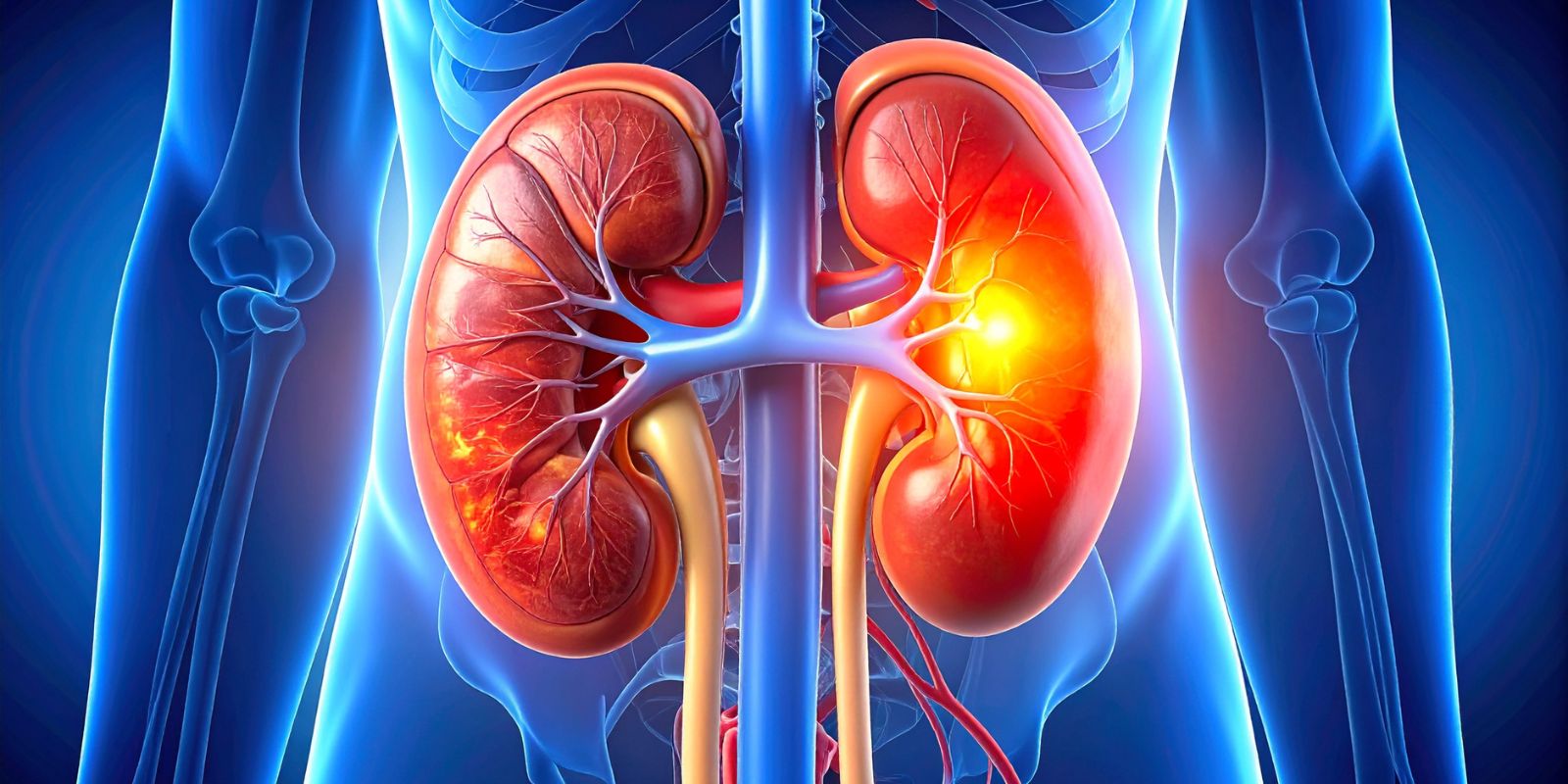
Kidney Function Tests And Their Importance
Kidneys are among the most vital organs in the human body, responsible for filtering waste products, balancing fluids, regulating electrolytes, and maintaining overall health. Despite their importance, kidney health is often overlooked until a problem arises. This is where kidney function tests play a crucial role. These tests help detect early signs of kidney disease, monitor existing conditions, and guide treatment decisions.
In this comprehensive guide, we will explore what kidney function tests are, why they are important, the different types of tests, and how to interpret their results.
What Are Kidney Function Tests?
Kidney function tests are a group of blood and urine tests that evaluate how well your kidneys are working. They measure the levels of waste products, electrolytes, and proteins in your body to determine if your kidneys are effectively filtering blood.
These tests are commonly recommended during routine health check-ups or when a person shows symptoms of kidney-related issues such as swelling, fatigue, or changes in urination.
Why Are Kidney Function Tests Important?
1. Early Detection of Kidney Disease
Kidney diseases often develop silently, without noticeable symptoms in the early stages. Kidney function tests can detect abnormalities before significant damage occurs, allowing for early intervention.
2. Monitoring Chronic Conditions
People with conditions like diabetes and hypertension are at higher risk of kidney damage. Regular testing helps monitor kidney health and prevent complications.
3. Evaluating Treatment Effectiveness
For patients already diagnosed with kidney disease, these tests help doctors assess how well treatments are working and whether adjustments are needed.
4. Preventing Complications
Untreated kidney issues can lead to severe complications such as kidney failure, heart disease, and electrolyte imbalances. Early detection through testing helps avoid these risks.
Types of Kidney Function Tests
1. Blood Tests
Serum Creatinine
Creatinine is a waste product produced by muscle metabolism. Healthy kidneys filter creatinine out of the blood. Elevated levels may indicate impaired kidney function.
Blood Urea Nitrogen (BUN)
BUN measures the amount of nitrogen in the blood that comes from urea, a waste product of protein metabolism. High BUN levels may suggest kidney dysfunction or dehydration.
Estimated Glomerular Filtration Rate (eGFR)
eGFR is one of the most important indicators of kidney function. It estimates how well the kidneys are filtering blood. Lower eGFR values indicate reduced kidney function.
2. Urine Tests
Urinalysis
This test examines the physical and chemical properties of urine. It can detect abnormalities such as protein, blood, or glucose in the urine.
Urine Albumin-to-Creatinine Ratio (ACR)
This test measures the amount of albumin (a type of protein) in the urine. High levels may indicate kidney damage.
24-Hour Urine Test
This test collects all urine over a 24-hour period to assess kidney function more accurately. It measures substances like creatinine and protein.
3. Imaging Tests
Although not strictly laboratory tests, imaging studies such as ultrasounds or CT scans may be used alongside kidney function tests to identify structural abnormalities in the kidneys.
Key Markers and What They Mean
Understanding test results can be confusing, but here are some general guidelines:
- Normal Creatinine Levels: Typically vary by age, gender, and muscle mass
- High Creatinine: May indicate kidney dysfunction
- Normal eGFR: 90 mL/min or higher
- Low eGFR: Suggests reduced kidney function
- Protein in Urine: Indicates possible kidney damage
It’s important to note that results should always be interpreted by a healthcare professional, as multiple factors can influence these values.
Who Should Get Kidney Function Tests?
Kidney function tests are recommended for:
- Individuals with diabetes
- People with high blood pressure
- Those with a family history of kidney disease
- Adults over the age of 40
- Individuals experiencing symptoms like swelling, fatigue, or frequent urination
- People taking medications that may affect kidney function
Regular screening is especially important for high-risk groups.
Symptoms That May Require Testing
While early kidney disease may not show symptoms, advanced stages can present warning signs such as:
- Swelling in hands, feet, or face
- Fatigue and weakness
- Changes in urination (frequency, color, or amount)
- Persistent itching
- Nausea or vomiting
- Shortness of breath
If you notice any of these symptoms, it is important to consult a healthcare provider and undergo testing.
How to Prepare for Kidney Function Tests
Preparation depends on the specific test being performed:
- Blood Tests: Usually require minimal preparation, though fasting may be needed in some cases
- Urine Tests: Follow instructions carefully, especially for 24-hour urine collection
- Medications: Inform your doctor about any medications or supplements you are taking
Proper preparation ensures accurate results.
Tips to Maintain Healthy Kidneys
Prevention is always better than cure. Here are some practical ways to keep your kidneys healthy:
Stay Hydrated
Drinking enough water helps kidneys remove toxins efficiently.
Maintain a Balanced Diet
Limit salt, sugar, and processed foods. Include fruits, vegetables, and whole grains.
Control Blood Sugar and Blood Pressure
Managing these conditions reduces the risk of kidney damage.
Exercise Regularly
Physical activity supports overall health, including kidney function.
Avoid Excessive Medication Use
Overuse of painkillers and certain drugs can harm the kidneys.
Quit Smoking
Smoking reduces blood flow to the kidneys and increases the risk of kidney disease.
Importance of Regular Testing
Routine kidney function tests are not just for people with existing health conditions. Even healthy individuals can benefit from periodic screening. Early detection allows for lifestyle changes and treatments that can prevent progression to severe kidney disease.
In many cases, kidney damage is irreversible, making prevention and early diagnosis critical. Regular testing acts as a safeguard, ensuring your kidneys continue to function efficiently.
Conclusion
Kidney function tests are an essential part of maintaining overall health. They provide valuable insights into how well your kidneys are working and help detect potential problems early. Whether you are at risk or simply want to stay proactive about your health, regular testing can make a significant difference.
By understanding the importance of these tests and adopting a healthy lifestyle, you can protect your kidneys and improve your quality of life. Don’t wait for symptoms to appear—make kidney health a priority today.